
Introduction
Many USA vehicle owners face fading paint, clear coat failure, rock chips, or scratches caused by winter road salt and gravel. Because repainting can be expensive, searches such as can you wrap a car with bad paint, vinyl wrap over scratches, and wrap over bad paint continue to rise nationwide. A wrap is often seen as a fast way to refresh a vehicle’s appearance, but damaged paint changes how vinyl behaves. This guide explains what’s safe, what’s risky, and how to get the best results with help from a professional installer like VinylWrapro.
Key Takeaways
- You can wrap a car with bad paint, scratches, chips, or dents, but results vary by surface condition.
- Wraps may highlight flaws instead of hiding them.
- Poor paint may peel off during removal.
- Rust, peeling paint, and deep gouges require repair.
- Preparation determines 80% of the final appearance.
- Sometimes repainting is smarter than wrapping if long-term durability is your goal.
- Professional inspection from Vinyl Wrap Pro helps avoid lifting, failure, and extra repair costs.
Can You Wrap Over Scratches on a Car?
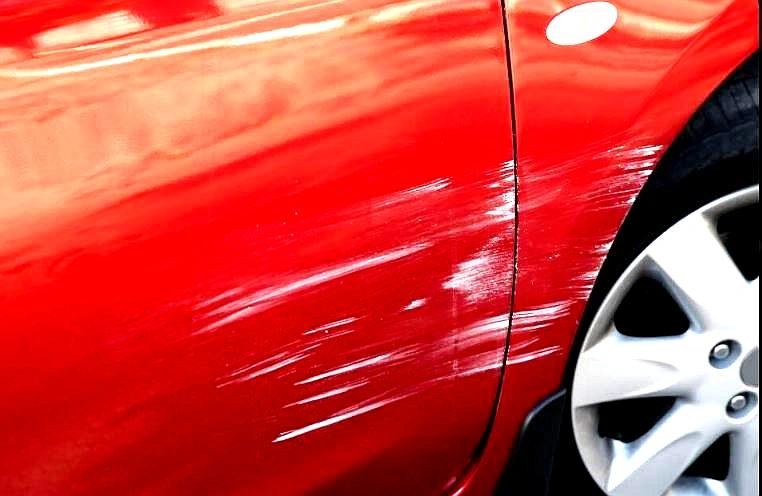
Yes, vinyl wrap can go over scratches, but deep imperfections will still show.
- Light Scratches: Usually hidden under matte or satin films.
- Medium Scratches: Require light sanding or filler.
- Deep Scratches: Will show through and may affect adhesion.
Tip: For a flawless finish, repair or smooth the surface before wrapping. Proper prep ensures a clean look and longer-lasting vinyl.
Will vinyl wrap stick to peeling or damaged paint?
When users ask does wrapping a car damage the paint, the answer depends on what’s already underneath. If the paint is stable, vinyl wrap is harmless. If the paint is failing, the adhesive can pull it loose. This is especially common on older Hondas, Chevys, and Toyotas with clear-coat failure. A professional installer may recommend sanding, spot repair, or repainting before applying the wrap.
Does Wrapping Over Bad Paint Hide Imperfections?
No, vinyl wrap does not completely hide imperfections. It can camouflage light surface flaws, but dents, chips, and rough areas will still show through the film. Think of vinyl as a second skin, it reflects whatever is underneath. Choosing a darker or textured wrap (like matte or satin) may reduce the visibility of flaws compared to a glossy finish.
However, if you’re wondering about more significant damage, here’s what you need to know:
1. Dents
Dents are always visible under a vinyl wrap unless they are repaired beforehand. Wrapping over dents will not fix them and may lead to an uneven appearance.
2. Paint Chips
Chipped paint must be filled or sanded to create a smooth surface. Wrapping over chips without repair can result in bumps or imperfections showing through the vinyl.
3. Deep Gouges
Deep gouges can trap air, causing bubbles and premature lifting of the wrap. These should be repaired before applying the vinyl.
Takeaway: Vinyl wrap can improve the look of minor surface flaws, but significant dents, chips, or gouges require proper repair for a seamless finish. For more guidance, explore our article on Gloss vs Matte vs Satin vs Chrome: Which Finish Should You Choose.
Can a wrap damage bad paint further?
USA climate conditions, strong UV, road salt, and hot summers, accelerate paint failure. When paint becomes brittle, wrapping over it increases the chance that removal will pull up color coat or primer. If you plan to sell the vehicle or return a leased car, repairing the paint first may save thousands.
Is it better to repaint or wrap a car with bad paint?.
A simple comparison for users searching wrap over bad paint or can you wrap a car with bad paint:
| Option | Cost Range | Lifespan | Best For | Drawbacks |
| Repaint | $2,000-$7,500 | 7-15 years | Restoring value | Higher upfront cost |
| Vinyl Wrap | $2,500-$5,000 | 4-7 years | Style change, fleets | Only as good as the paint below |
If rust is visible, wrapping is never recommended until corrosion is treated.
How should you prepare a car with scratches before wrapping?
Proper preparation is everything when it comes to a flawless, long-lasting vinyl wrap. Here’s how to get your car ready:
Surface Assessment
- Chipped paint: Must be smoothed or patched.
- Rust: Never wrap over rust. The wrap traps moisture and accelerates corrosion.
- Cracked paint: Needs sanding or repainting.
Installers may perform:
- Clay bar decontamination
- Solvent wipe
- Surface leveling
- Edge smoothing
- Primer application on problem spots
This prep ensures the wrap lasts its full lifespan.
Can You Wrap Over Rust?
Many owners search can you wrap over rust, and the answer is always no. Vinyl does not stop corrosion. Rust expands under the film, lifting the vinyl and spreading faster. Any spot with bubbling, flaking metal, or visible rust must be repaired or replaced before installation.
Can You Paint Over Vinyl Wrap?
Another common query is can you paint over vinyl wrap. Technically, yes, you can spray automotive paint over vinyl, but it is not recommended. The result looks uneven, and the wrap may shrink or wrinkle under solvents. If you want to change color, remove the wrap first, then paint. Vinylwrapro can handle both removal and prep.
Vinyl Wrap FAQs
Yes, you can wrap a car with bad paint, but only if the paint is stable and not peeling. Vinyl wrap sticks best to smooth, solid surfaces. If the paint is cracked, flaking, or rusted, repairs are recommended before installation to avoid lifting and poor adhesion.
Wrapping does not damage healthy paint. However, unstable or poorly repainted surfaces may peel when the wrap is removed. This is why professional inspection is essential. Strong OEM paint typically remains unharmed during both installation and removal.
Yes, but dents will still be visible. Vinyl conforms to the shape beneath it, so low spots, dings, and ripples show through the film. For a cleaner finish, dent repair or paintless dent removal is recommended before wrapping.
Wraps can be applied over chipped paint, but chips must be leveled or filled first. Exposed edges may cause lifting and early failure. Proper prep ensures the vinyl adheres smoothly and lasts its full lifespan.
No. Rust spreads beneath the film and causes bubbling, lifting, and accelerated corrosion. Rust must be removed and repaired before wrapping any part of a vehicle.
Small repairs such as spot sanding or filling chips cost $100-$300. Larger areas with peeling paint or rust repair may cost $500-$1,500 depending on damage severity and region.
Not completely. Areas with chalky or failing clear coat need sanding before installation. Vinyl sticks poorly to oxidized paint.
Typically 2-5 years, shorter than the usual 4-7 years. Lifespan depends on prep quality, climate, and material.
Yes. Installers use adhesive promoter (primer) on trouble spots, edges, and deep curves to improve adhesion and prevent lifting.
Only slightly. Wraps protect from UV and minor scratches, but they cannot stop flaking, cracking, or rust from spreading underneath.
Often yes. Wraps cost $2,500-$5,000 depending on color and coverage. Repainting varies from $2,000-$7,500. However, repair needs may shift the value.
Final Thoughts
So, can you wrap over bad paint or scratches? Yes, but the overall success depends on what lies beneath the vinyl. Damaged, chipped, cracked, or rusty paint limits both appearance and lifespan. Before wrapping, compare repair costs, repainting options, and long-term goals. A certified installer like Vinylwrapro ensures proper prep, honest recommendations, and a long-lasting finish.
If you’re ready to explore options, start with our car wrap installation guide or learn more about surfaces like can you wrap over PPF?. For help choosing finishes, see Gloss vs Matte vs Satin vs Chrome