
Introduction
When car owners or fleet managers consider upgrading their vehicle’s look, one question often comes up: can you wrap over PPF? This is especially common among USA drivers who already invested in paint protection film and now want a color change or branded wrap.
The short answer is yes, vinyl wrap over PPF is possible. However, results depend heavily on the condition, quality, and installation of the existing film. This guide explains when wrapping on top of PPF works, when it fails, how it affects durability, and what professionals recommend for long-term success in the US market.
Key Takeaways
- Yes, you can wrap over PPF if the film is smooth, clean, and properly bonded.
- Wrapping on damaged or low-quality PPF increases peeling and adhesion risks.
- Temperature control and surface preparation are critical for success.
- Finish quality depends on the clarity and texture of the PPF underneath.
- In some cases, removing PPF before wrapping delivers better results.
- Always consult professionals like Vinyl Wrap Pro for USA-standard installations.
What Is PPF and Why Wrap Over It?
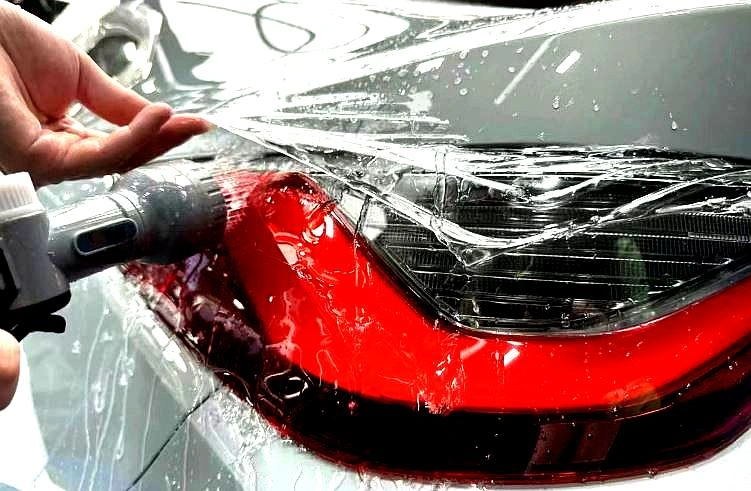
Paint Protection Film (PPF) is a clear polyurethane layer applied to your car’s paint to guard against scratches, chips, and UV damage. Many owners wonder if adding a vinyl wrap over this protective layer will affect adhesion or longevity.
Key Points:
- PPF adds a sacrificial layer to protect your paint.
- Modern PPF is smooth and compatible with most high-quality vinyl.
- Wrapping over PPF preserves the underlying paint while allowing design flexibility.
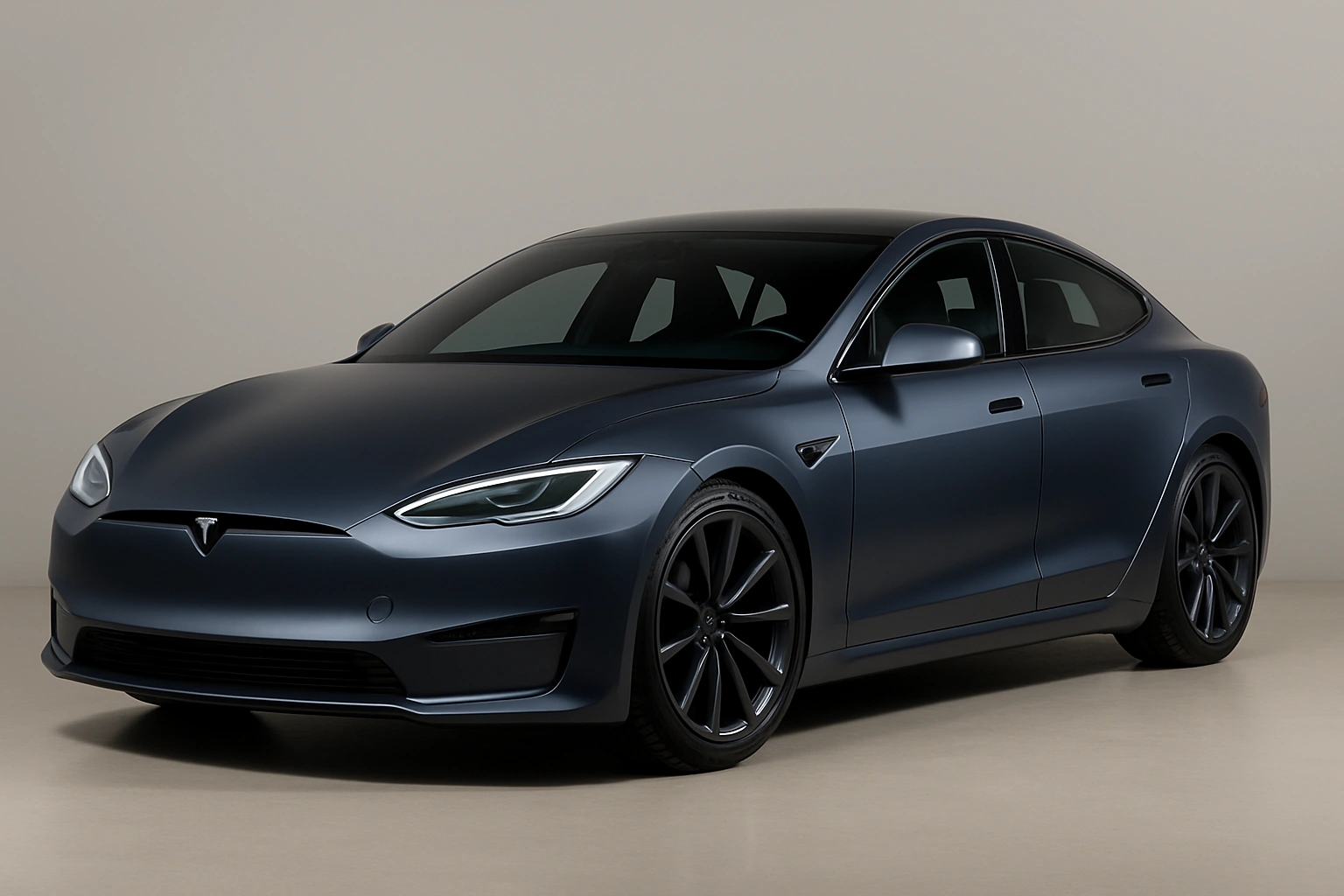
Example: A Tesla owner in Florida wrapped over a full PPF layer using matte black vinyl, achieving both protection and a striking new look without damage.
Can You Wrap Over PPF? Yes, But Consider the Following
Yes, you can wrap over PPF, but surface prep, vinyl choice, and climate considerations are crucial.
1. Surface Preparation
- Clean thoroughly to remove dust, oils, and residues.
- Ensure PPF edges are sealed; lifting edges can cause vinyl peeling.
- Avoid using abrasive cleaners that could damage PPF.
2. Vinyl Selection
- Use vinyl designed for PPF adhesion (e.g., 3M 2080, Avery Supreme Wrapping Film).
- Consider finish options: gloss, matte, satin, or chrome. For more on finishes, see Gloss vs Matte vs Satin vs Chrome: Which Finish Should You Choose?.
3. Climate and Temperature
- Ideal installation temperatures range between 60-80°F.
- In cold climates, vinyl can become brittle; in hot climates, it may stretch too much.
- For more on temperature tips, check what temperatures are best for installation?.
Step-by-Step Guide: Wrapping Over PPF
- Inspect the PPF: Look for bubbles, peeling, or edges lifting. Address these before wrapping.
- Wash and Decontaminate: Use a PPF-safe soap and microfiber towels.
- Measure and Cut Vinyl: Cut slightly larger panels for easier handling.
- Apply the Vinyl: Start from the center, use a squeegee, and work outward to avoid trapping air.
- Heat and Stretch: Use a heat gun carefully to conform vinyl over curves, avoiding PPF damage.
- Trim Excess: Cut along PPF edges; do not cut into the paint.
Professional installers like Vinyl Wrap Pro can reduce errors and improve longevity. For a detailed step-by-step process, see car wrap installation.
Vinyl Types Suitable Over PPF
| Vinyl Type | Durability | Best Use | Notes |
| 3M 2080 | 8-10 years | Full wraps | Excellent adhesion over PPF |
| Avery Supreme | 7-9 years | Partial or full wraps | Easy to reposition |
| Oracal 970RA | 5-7 years | Accent pieces | Budget-friendly option |
Tip: For USA climates, matte and satin finishes handle sun exposure better than chrome.
Common Mistakes to Avoid
- Applying vinyl over damaged or lifting PPF
- Skipping surface cleaning or using harsh chemicals
- Installing in extreme heat or cold
- Cutting into paint instead of trimming along PPF edges
Cost Considerations in the USA
- Material Cost: $400-$1,500 depending on vinyl type and car size
- Professional Installation: $1,000-$3,000 for full-wrap vehicles
DIY Installation: Save money but risk bubbling or misalignment
Vinyl Wrap FAQs
Yes, vinyl wrap can be applied over PPF if the film is high-quality, smooth, and defect-free. However, installers must check for lifting, yellowing, or stretch marks, and follow climate rules like what temperatures are best for installation? to ensure proper adhesion.
Yes, wrapping over PPF can last several years with premium materials, proper surface prep, and professional installation. However, aged or damaged PPF should be removed to avoid peeling or visible imperfections.
Yes, combining premium PPF with vinyl increases lifespan by adding a second protective layer. However, low-quality or failing PPF reduces results, so finish expectations should be set using Gloss vs Matte vs Satin vs Chrome.
Often yes, because old or lifting PPF creates adhesion issues. However, nearly new, optically clear PPF may remain in place, making surface clarity a deciding factor.
Yes, seams, edges, or texture in the PPF can transfer through the wrap. However, matte and satin vinyl hide minor flaws better, while gloss or chrome may require a flawless surface. Test panels are recommended.
Yes, peeling mainly occurs at edges and recessed areas. However, professional trimming, heat-setting, and post-heating reduce risk, making installer skill critical.
Yes, removing vinyl over PPF can lift sections of the film, especially if the PPF adhesive has weakened. Therefore, labor costs and care must be considered during removal.
Sometimes, because PPF over vinyl provides maximum protection for custom colors and graphics. However, vinyl over PPF is faster, more affordable, and suitable for most vehicles. Budget and goals determine the best choice.
Yes, when installed correctly, vinyl over PPF does not harm factory paint and adds an extra protective layer. Careful removal is essential to prevent lifting the underlying PPF.
Yes, labor and prep increase costs due to careful risk management. Expect installation to be 10–20% higher compared to wrapping bare paint, depending on vehicle complexity.
Fleets often wrap over newer PPF to save time, while older fleet vehicles typically require PPF removal for consistent branding results. A hybrid approach may be used for complex panels.
Final Thoughts
So, can you wrap over PPF? Yes, but only when the film is in excellent condition and installed correctly. For many USA drivers, wrapping over PPF offers both style and protection. For others, removing the film first ensures cleaner results.
Working with professionals like Vinyl Wrap Pro ensures proper evaluation, material selection, and long-term durability. Whether you are wrapping a single car or an entire fleet, expert guidance makes all the difference.
Ready to upgrade your vehicle? Explore our car wrap installation guide or compare finishes before starting your project.