
Introduction
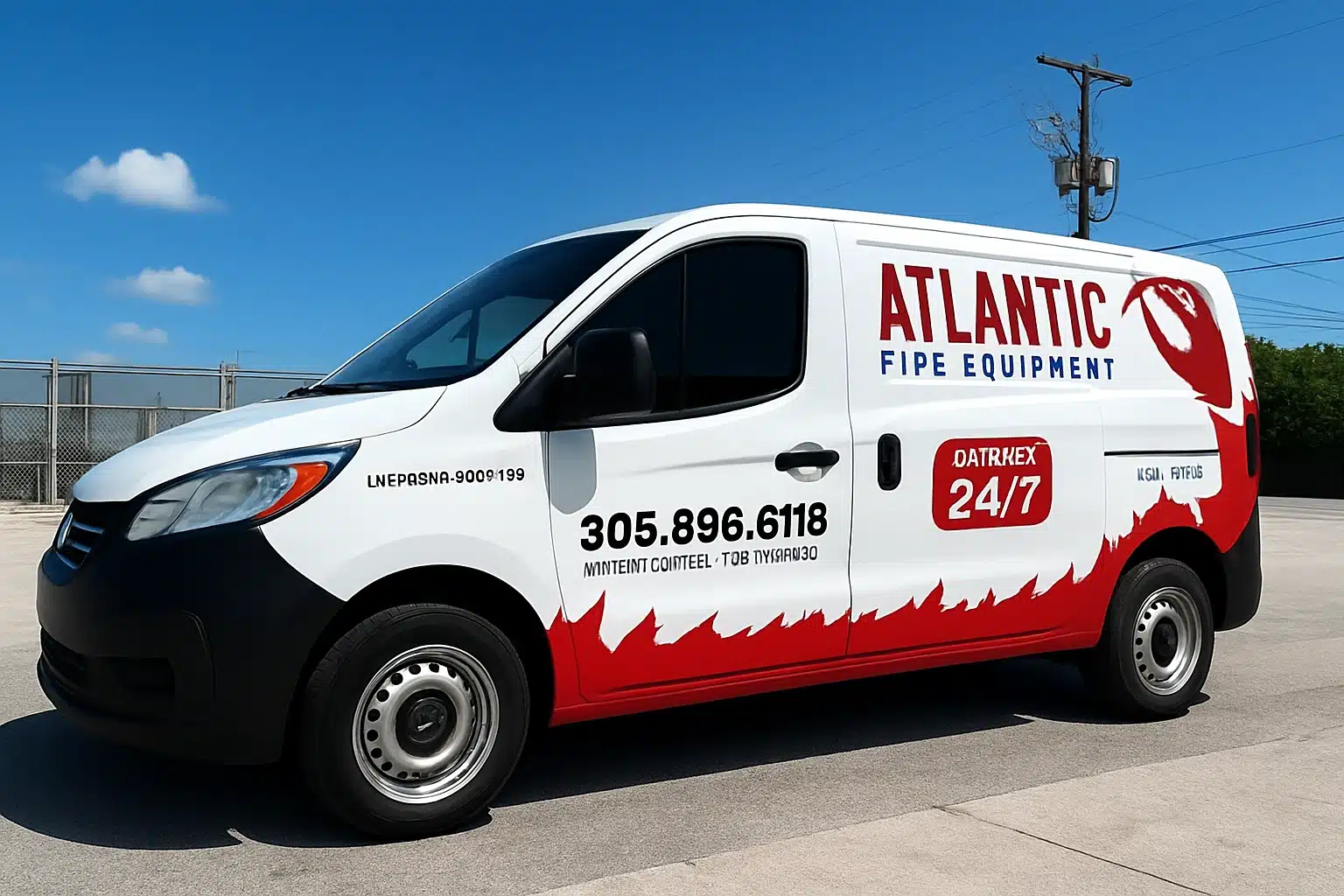
Fleet wrap maintenance best practices help U.S. businesses protect their investment, keep vehicles looking sharp, and maximize their vehicle wrap advertising ROI. Regular cleaning, proper care, and environmental awareness ensure your wraps last longer and continue turning heads on the road.
For companies managing service vans, delivery trucks, or sales vehicles, vehicle wrap maintenance is not optional. Dirt buildup, UV exposure, road salt, and improper washing methods shorten wrap lifespan and reduce brand impact. Whether managing a small fleet or hundreds of vehicles nationwide, following proven car wrap maintenance strategies keeps your branding professional and consistent.
This USA-focused guide expands on expert insights from Vinyl Wrap Pro and covers daily wrap care plans, staff training, weather considerations, and common mistakes fleet owners make.
Key Takeaways
- Consistent fleet wrap maintenance extends wrap lifespan by up to 30 percent
- A simple wrap daily maintenance plan prevents fading and adhesive failure
- Wrap-safe products protect color and finish
- Employee training reduces damage and repair costs
- Proper care ensures brand color consistency across every fleet wrap
- Preventive maintenance costs less than wrap replacement
Why Fleet Wrap Maintenance Matters for U.S. Businesses
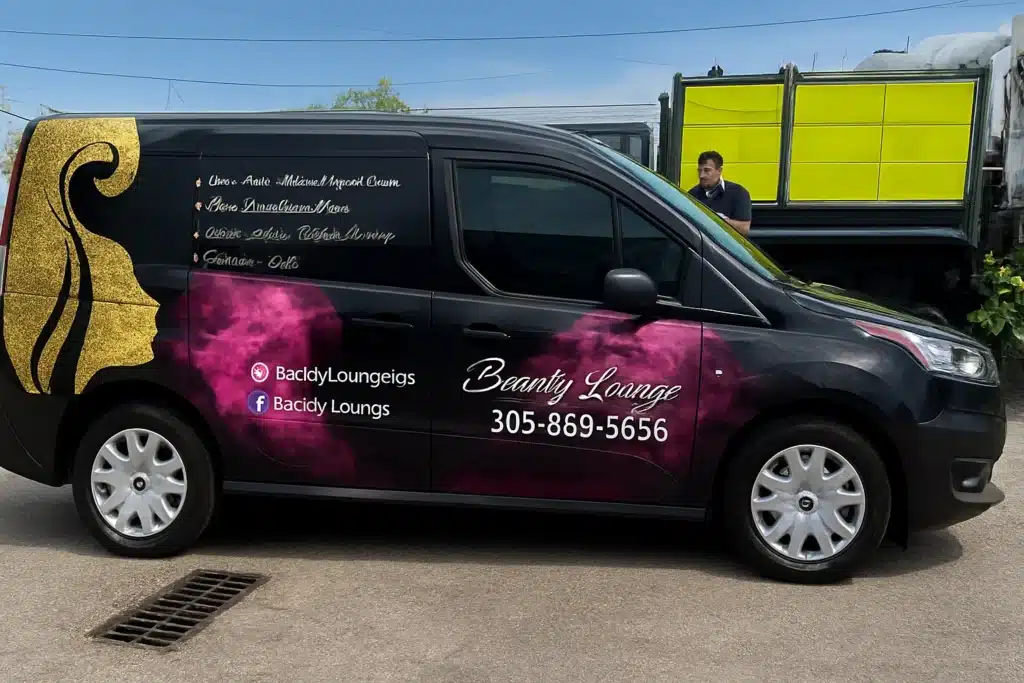
Fleet wrap maintenance protects more than vinyl. It protects brand perception, resale value, and marketing ROI. According to U.S. fleet management studies, poorly maintained wraps can lose visual impact within 12 months, even though quality wraps are designed to last five to seven years.
Common risks in the U.S. include:
- Intense UV exposure in southern states
- Road salt damage in northern regions
- Tree sap, bird droppings, and industrial fallout
- Automated car washes with abrasive brushes
Ignoring proper car wrap maintenance leads to fading, edge lifting, cracking, and uneven branding across vehicles.
Fleet Wrap Maintenance Best Practices
1. Establish a Wrap Daily Maintenance Plan
A wrap daily maintenance plan does not require hours of work. It focuses on awareness and quick checks.
Recommended daily or weekly actions include:
- Visual inspection for lifting edges or bubbling
- Spot cleaning bird droppings or tree sap
- Parking in shaded areas when possible
- Reporting damage immediately
This simple routine prevents small issues from turning into costly repairs.
2. Proper Washing Schedule for Fleet Wraps
You should wash fleet wraps every one to two weeks. In high-pollution or winter regions, weekly washing is ideal. Regular cleaning removes contaminants that stain vinyl and degrade adhesive.
Best practices include:
- Hand washing with soft microfiber cloths
- Using cool water and mild soap
- Avoiding harsh scrubbing on seams and edges
Automated washes with brushes should be avoided, as they cause premature wear.
3. What Cleaning Products Are Safe for Vehicle Wrap Maintenance
Always choose pH-balanced, non-abrasive automotive soaps labeled vinyl-safe. Avoid degreasers, alcohol-based cleaners, and petroleum solvents.
Wrap-safe product categories include:
- Automotive vinyl shampoos
- Spray-on vinyl cleaners
- Silicone-free drying aids
Vinyl Wrap Pro recommends testing new products on a small area before full use.
4. Pressure Washing Fleet Wraps the Right Way
Pressure washing is allowed with strict guidelines.
Safe pressure washing standards:
- Keep pressure under 2000 PSI
- Maintain a 12–18 inch distance
- Use a wide spray angle
- Never spray directly at edges or seams
Improper pressure washing is one of the top causes of edge failure in fleet wraps.
5. Protecting Fleet Wraps From UV and Weather Damage
UV exposure is the leading cause of wrap fading in the U.S. Heat, snow, and road chemicals also shorten lifespan.
Protection strategies include:
- Covered parking or garages
- UV-protectant wrap sealants every three to six months
- Seasonal inspections before winter or summer
Southern fleets benefit most from UV coatings, while northern fleets should focus on salt removal.
6. Maintaining Color Consistency Across Fleet Vehicles
Color fading and mismatched panels damage brand credibility. Regular inspections and maintenance schedules ensure all fleet wraps age evenly.
Best practices include:
- Tracking installation dates by vehicle
- Scheduling periodic color checks
- Replacing damaged panels early
For deeper insights, see how to keep brand colors consistent across fleet.
7. Staff Training for Fleet Wrap Maintenance
Employee handling plays a major role in wrap longevity. Simple training prevents damage.
Training should cover:
- Proper washing techniques
- Areas to avoid during pressure washing
- How to report damage
- Parking awareness
A short onboarding checklist reduces long-term maintenance costs.
Vinyl Wrap FAQs
You should wash fleet wraps every one to two weeks. Regular washing removes pollutants that cause staining and fading. In winter or high-dust areas, weekly washing is recommended to protect vinyl integrity and appearance.
Use non-abrasive, pH-balanced automotive soaps labeled vinyl-safe. Avoid solvents and petroleum-based cleaners, which weaken adhesive and fade colors. Wrap-safe cleaners help preserve finish and extend wrap life.
Yes, but keep pressure under 2000 PSI and stay at least 12 inches away. Never spray directly on seams or edges. Incorrect pressure washing is a common cause of peeling.
Park in shaded areas, apply UV protectant coatings every three to six months, and wash wraps regularly. UV exposure is the primary cause of vinyl discoloration in U.S. climates.
Clean immediately with warm soapy water and a soft cloth. Let stubborn residue soak before wiping. Avoid scraping or harsh chemicals, which damage vinyl.
Provide a short checklist covering washing frequency, inspection routines, and pressure washing limits. Weekly inspections and clear reporting channels prevent costly damage.
Repair wraps when edges lift, colors fade unevenly, or cracking appears. Early repairs cost less than full replacement and maintain brand professionalism.
Wrapping over an existing wrap is not recommended. Old wraps trap debris and weaken adhesion. Removing the old wrap ensures proper bonding and longevity.
Fleet wrap maintenance includes regular washing, inspections, UV protection, and staff training to extend wrap lifespan and preserve branding. For detailed care tips, see our vinyl wrap maintenance guide.
No. Routine maintenance costs far less than premature wrap replacement and protects marketing ROI.
Yes. Without UV protection and cleaning, wraps fade faster, especially in high-sun regions.
Final Thoughts
Fleet wrap maintenance best practices are essential for protecting your marketing investment and projecting a professional brand image across every vehicle. With a simple daily plan, proper washing techniques, and staff training, U.S. businesses can extend wrap lifespan and maximize visibility.
Partner with Vinyl Wrap Pro, a trusted U.S. authority in commercial vehicle wraps, to keep your fleet looking sharp, consistent, and road-ready. Explore our advanced guides on vehicle wrap advertising ROI and luxury car wrap care to take your fleet branding even further.