
Introduction:
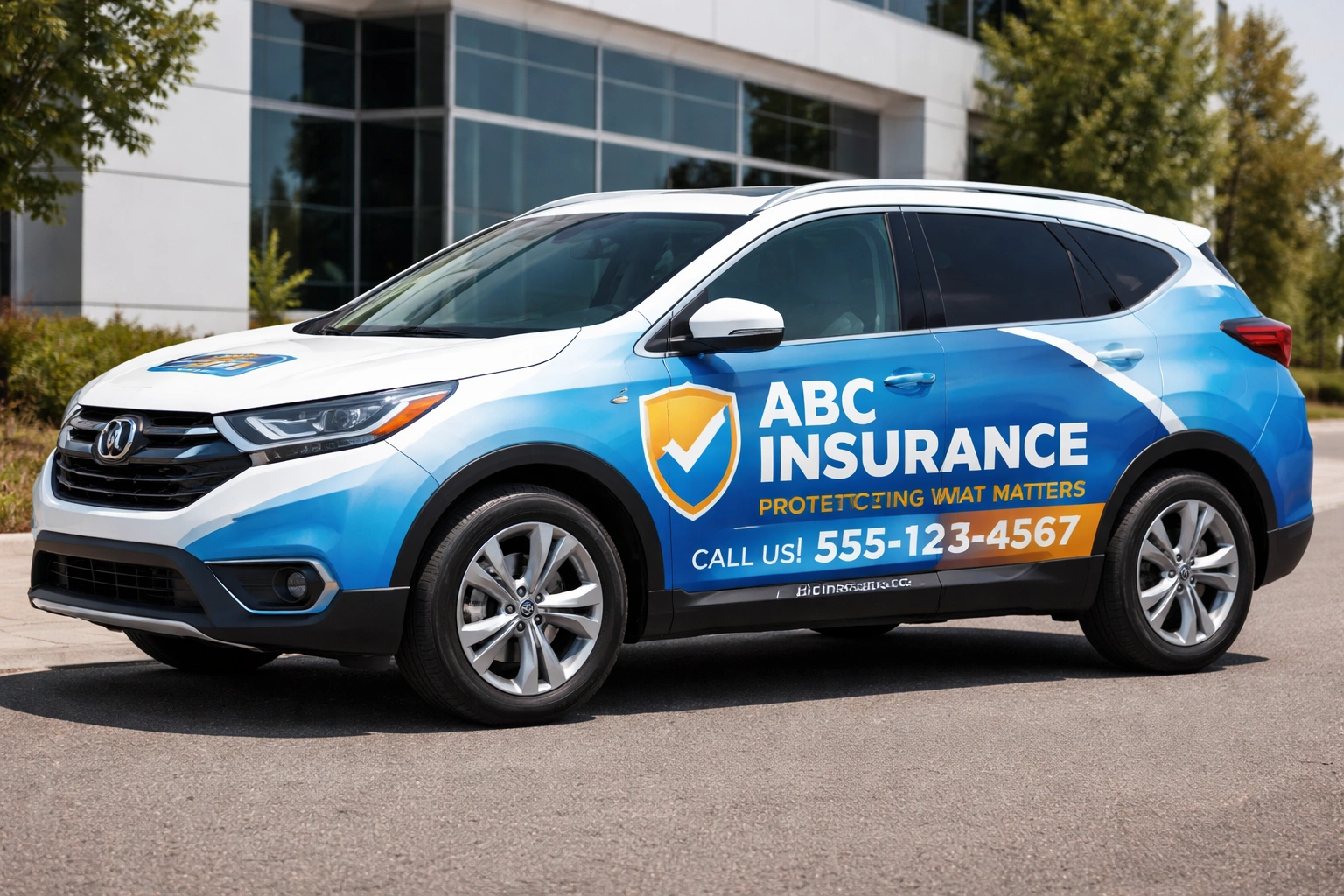
In recent years, vehicle wraps have become a popular trend among car owners. Whether it’s for advertising purposes or simply for personal style, wrapping a car offers a sleek, eye-catching look. But what about insurance? Does a car wrap increase your insurance premiums? Many car owners in the USA ask this very question. In this comprehensive guide, we’ll explain how a car wrap impacts your insurance, what steps you should take after wrapping your car, and the potential costs involved.
Key Takeaways
- Does wrap increase insurance? It can, depending on the insurance provider and your location.
- Types of insurance affected: Comprehensive and collision insurance may be impacted more than liability insurance.
- Important steps to take: Notify your insurance company and ensure you’re properly covered.
- Vehicle wrap insurance costs: Understand how the value of your wrap affects premiums.
- Wrap laws by state: Vehicle wrap regulations vary, so be sure to know the rules for your state.
How Does a Car Wrap Impact Insurance?
Car wrapping involves covering your vehicle in vinyl or another adhesive material, which can change the car’s appearance. This modification may influence your insurance premiums in several ways.
1. Car Wrap Insurance Premiums: Does It Raise the Price?
Insurance companies generally assess the cost of a vehicle based on its repair value. A vehicle wrap adds value to the car, but it also introduces potential risks. While a standard car may only be valued for its base price, a wrapped car is worth more due to the cost of the wrap. This increase in value can raise your comprehensive and collision insurance premiums, which cover the cost of replacing or repairing your vehicle after an accident.
However, liability insurance, covering damages to other people or property, is typically unaffected by a vehicle wrap, as it’s based on the car’s make, model, and year, not its appearance.
2. Does Wrap Increase Insurance Rates for Commercial Vehicles?
For businesses using wrapped vehicles for advertising, the scenario may be slightly different. Insurers may view wrapped commercial vehicles as a higher risk, especially if the wrap is poorly applied, which could lead to peeling or damage. In this case, insurers may apply higher premiums, particularly if the vehicle is used frequently in traffic or for business operations. It’s essential for business owners to consider commercial vehicle insurance regulations and properly account for the cost of the wrap.
How to Handle Insurance After Wrapping Your Car
Once you decide to wrap your car, it’s important to notify your insurance company. Failing to do so could leave you underinsured in the event of a claim.
1. Notify Insurance About the Wrap
Most insurance providers require that you disclose modifications to your vehicle, including wraps. Some companies might even ask you to submit proof of the wrap’s value. Notify your insurer about the change and inquire about any adjustments to your coverage. Learn more about Do You Need to Notify Insurance.
2. Determine the Wrap’s Value
You may need to get an appraisal for the wrap. The cost of the wrap can range from $2,000 to $5,000, depending on the size and quality of the material. Some insurers offer optional coverage for the wrap, which can help protect it in case of damage or theft.
Factors That Affect Insurance After Wrapping Your Car
Several factors influence how a vehicle wrap will affect your insurance premiums. Below are key elements to consider when assessing whether your wrap will increase your insurance costs.
1. Wrap Quality and Durability
The quality of the wrap plays a role in the insurance cost. High-quality wraps, especially those used for commercial vehicles, are more durable and less likely to peel or damage. Insurers may take this into account when determining the risk associated with insuring your wrapped vehicle.
2. Wrap Design
The design of your vehicle wrap can also influence your premiums. A wrap that obstructs windows, lights, or the car’s identification number (VIN) can be considered a safety concern by insurance companies. Ensure that your wrap complies with state regulations to avoid complications. Learn more about Wrap laws by state.
Commercial Vehicles and Wrap Insurance
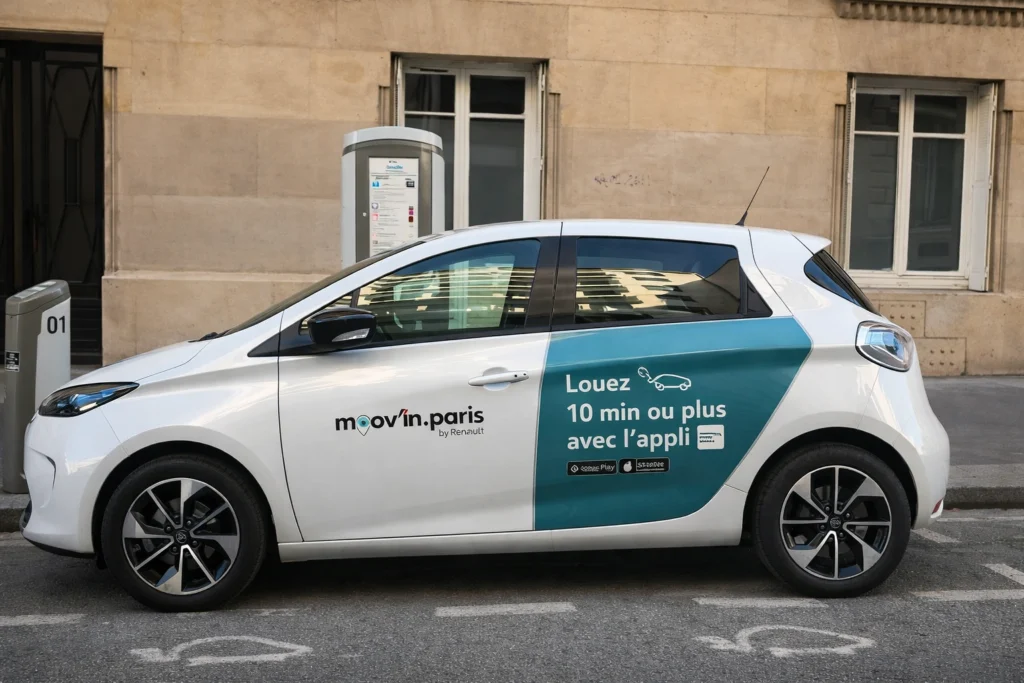
If you’re using a wrapped vehicle for commercial purposes, the insurance implications are even more significant. For instance, a car wrap used for advertising or branding may require additional coverage. This ensures that the wrap itself is protected, as well as the vehicle in the event of an accident.
1. Commercial Vehicle Regulations and Wraps
Some states have specific commercial vehicle regulations that affect vehicle wraps. If your business is using wrapped vehicles, you may need additional commercial insurance coverage to cover the cost of the wrap and the potential risks associated with it. Check out the related article Commercial vehicle regulations.
Maintaining Your Wrap and Insurance Coverage
After wrapping your car, it’s crucial to maintain both the wrap and your insurance coverage. Here are some tips to ensure you stay protected:
1. Regular Maintenance of Your Wrap
Car wraps can last for several years if maintained correctly. Regularly clean your vehicle and protect the wrap from harsh weather, sun exposure, or chemicals that could cause premature wear.
2. Review Your Insurance Annually
Since your car’s value and appearance may change over time, it’s important to review your insurance policy each year. Your insurance provider might adjust premiums or coverage depending on the wear and tear of the wrap or any additional modifications made to the car.
Vinyl Wrap FAQs (People Also Ask)
Yes, wrapping your vehicle can increase your insurance premiums, particularly for comprehensive and collision coverage. The increased value of the vehicle and the potential risk of damage to the wrap can affect your rates.
Yes, you should notify your insurance provider about the wrap. Failure to do so could result in insufficient coverage if the wrap is damaged or stolen.
Vehicle wraps typically range from $2,000 to $5,000, depending on the size of the vehicle and the complexity of the design.
Some insurance providers offer optional coverage for vehicle wraps. This coverage protects the cost of replacing or repairing the wrap if it’s damaged in an accident.
Yes, vehicle wrap laws vary by state. Some states may have restrictions on the design, color, or placement of wraps on vehicles. Be sure to check your state’s regulations.
If you use your vehicle for business purposes, you may need additional commercial insurance to cover the cost of the wrap and the vehicle.
Wrapping your car can make it harder to sell if the design is overly personalized or if the wrap is worn out. However, a well-maintained wrap can increase resale value by protecting the original paintwork.
A well-maintained car wrap can last up to 5-7 years, depending on the quality of the materials used and the climate in your area.
In most cases, wrapping your car does not void the warranty. However, it’s always a good idea to check with your vehicle manufacturer to ensure it doesn’t affect specific components.
Yes, vehicle wraps can be removed. However, they should be removed by professionals to prevent damage to the car’s paint.
Final Thoughts
Wrapping your car can impact your insurance premiums depending on your insurer, the quality of the wrap, and its use. It’s important to notify your insurance company to ensure you have the right coverage for your wrapped vehicle. By following the tips in this guide, you can protect your investment.
For businesses looking to maximize their investment, wrapping a vehicle can also offer a strong ROI through advertising. For more details, explore our guide on vehicle wrap advertising ROI and car wrap tax deduction.