
Introduction
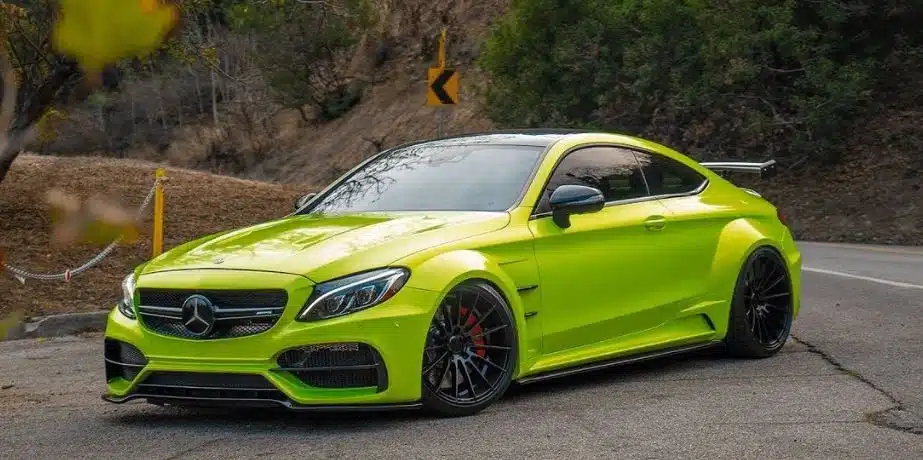
If you’re considering a satin vinyl wrap for your car, truck, or motorcycle, one of the first questions is: how many years does satin wrap last? Satin wraps offer a stylish, semi-matte finish that stands out on USA roads, but like any vinyl wrap, their longevity depends on quality, installation, and care. In this guide, VinylWrapRo explains the typical lifespan, key maintenance practices, and how satin wraps compare to other finishes.
Satin wraps continue to grow in popularity across the USA because they provide a sleek, premium look without the extreme reflectiveness of gloss or the flat texture of matte. But many vehicle owners still wonder about satin wrap lifespan, satin wrap durability, and whether satin vinyl wrap fades faster in hot states like Arizona, Texas, or California. This upgraded guide answers those questions using real-world data, expert installation insights, and comparisons to gloss, matte, chrome, and PPF.
Key Takeaways
- Satin wraps generally last 3 to 5 years on daily drivers in the USA, depending on climate and care.
- Satin wrap durability is affected by UV exposure, parking habits, and the brand of vinyl.
- Satin wrap lifespan vs gloss wrap: Gloss wraps usually last longer, but satin still performs better than chrome.
- With proper care, satin wrap lifespan with maintenance can reach 5-7 years on well-cared-for vehicles.
- 3M and Avery satin wraps offer some of the longest lifespans in the USA market.
- Satin finishes may fade faster than gloss in hot climates, but protection products can slow fading.
- Professional installation from experts like Vinyl Wrap Ro significantly improves long-term durability.
Satin Wrap Lifespan by Brand (3M vs Avery)
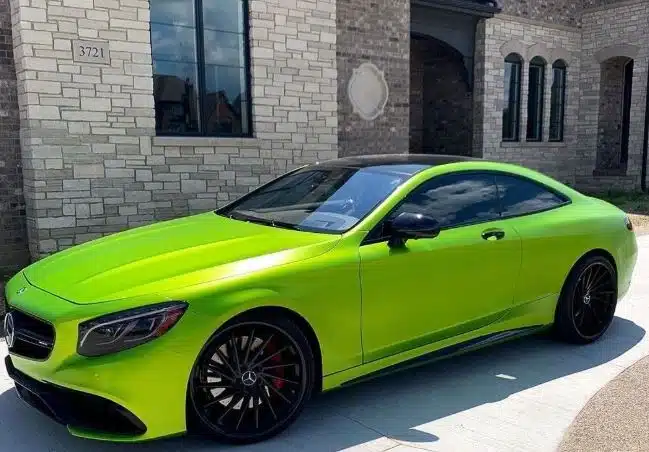
Many USA car owners search for how long 3M satin wrap lasts or Avery satin wrap durability. Here’s a quick comparison:
| Brand | Typical Satin Wrap Lifespan | Notes |
| 3M 2080 Satin Series | 4-6 years | Strong UV resistance, excellent against heat |
| Avery Dennison SW900 Satin | 4-5 years | Softer film, easier to install, great color stability |
| KPMF Satin | 3-5 years | Good flexibility, slightly more fade-prone |
| Orafol Satin | 3-4 years | Durable but less UV protective |
Insights:
If you live in a hot climate, 3M Satin tends to last the longest. Avery performs extremely well in moderate climates like the Northeast or Midwest.
Satin Wrap Durability in USA Weather Conditions
Hot States (Arizona, Texas, Nevada, California)
- Satin wraps are exposed to high UV index
- Fading may begin around year two
- Lifespan averages 3-4 years unless protected
Cold States (New York, Michigan, Minnesota)
- Less UV exposure
- Better color retention
- Lifespan averages 4-5 years
Coastal States (Florida, South Carolina)
- Humidity can weaken adhesives
- Frequent washing helps remove salt buildup
Why Satin Wraps Fade Faster Than Gloss
Satin finishes lack the shiny clear coat layer that helps gloss wraps deflect UV rays. This means:
- Color fade appears earlier
- Heat absorption is higher
- The surface oxidizes quicker
However, the right maintenance can slow this significantly.
How to Make Satin Wrap Last 5+ Years
To maximize satin wrap longevity, follow these USA-tested practices:
- Park indoors or in shade
- Wash weekly
- Use UV-safe sealants
- Avoid harsh chemicals
- Install PPF on high-impact areas
- Recoat annually with wrap-safe protectants
With consistent care, it’s possible for satin wraps to reach 6-7 years.
Vinyl Wrap FAQs
Satin vinyl wraps usually last 3-5 years with proper care. On well-maintained vehicles, they can exceed 5 years, especially when stored indoors and protected with wrap-safe sealants. Gloss wraps may last up to 7 years. See our guide on how long does vinyl wrap last?
Gloss wraps generally last longer due to stronger UV resistance. Satin and matte are similar, but satin’s smoother texture resists grime better. Satin may fade faster than gloss in direct sunlight, so UV protectants are recommended. Chrome wraps last 1-3 years. Read more in our specialty finish comparison blogs.
In sunny states like Arizona, Florida, and California, satin wrap life may drop to around 3 years. Cooler states may allow up to 5 years. Parking in shade or applying ceramic coating helps. In California heat, fading may start around year two without proper care. See our vinyl wrap maintenance guide for details.
Yes, motorcycles often last 4–6 years since they have less sun and road exposure. Scratches from riding gear can shorten the finish. Indoor storage reduces UV exposure, preserving color. Compare with other bike wraps in our guide on how long does a wrap last on motorcycles?
Wash with pH-neutral soap, avoid harsh brushes, dry with microfiber towels, and use wrap-safe sealants instead of wax. Proper weekly cleaning can increase lifespan by 20–30%. See our vinyl wrap maintenance guide for full tips.
Yes, certified installers ensure correct adhesion and edge sealing, helping satin wraps reach full 3–5 year potential. Vinyl Wrap Ro uses high-tack adhesives and precision heat mapping for long-term durability.
Yes, if removed within 3–5 years, satin wraps usually come off cleanly. Leaving them on too long may harden the adhesive. Premium brands like 3M and Avery are engineered for clean removal within their recommended window.
Most satin car wraps last 3-5 years, depending on climate, brand, and maintenance. Cars in hot states may see shorter lifespans unless UV protection is applied.
Yes, satin wraps are durable enough for daily drivers, but they require regular cleaning and shade parking to stay vibrant. Road debris and sun exposure impact long-term durability.
Yes, satin wraps can peel faster because the surface absorbs more heat, softening adhesive over time. Proper installation reduces the risk significantly.
With good maintenance and quality materials like 3M or Avery, satin wraps can last 5 years or longer.
Use wrap-safe sealants, park in shaded areas, wash weekly, and consider ceramic coating products designed specifically for satin textures.
Satin wraps work in hot climates but require more UV protection. In states like Arizona and Texas, choosing 3M satin films increases durability.
Because satin lacks the glossy UV-clear coating, it absorbs more sunlight and breaks down faster. Regular maintenance helps slow fading.
3M Satin Series offers the best overall lifespan in hot states, while Avery Satin Series performs exceptionally well in moderate climates.
Final Thoughts
So, how many years does satin wrap last? Most USA car owners can expect 3 to 5 years, with proper maintenance and professional installation pushing that toward the higher end. Satin wraps balance aesthetics and durability, making them an excellent choice for drivers who want a premium finish without the reflectiveness of gloss.
For deeper insights, explore:
For the most durable results, trust the experts at Vinyl Wrap Ro for installation and long-term care guidance.