
Introduction
When it comes to selling a car, appearance matters, more than you might think. A key factor that influences potential buyers is the condition of the car’s finish. Whether you’re deciding between wrapping or repainting your vehicle, you’re probably wondering: Which choice provides better resale value?
In this post, we’ll dig into the wrap vs paint resale value debate and help you make an informed decision. There’s no universal answer. But there are guidelines you can follow based on buyer psychology, market trends, and real-world experiences.
Key Takeaways
- Factory paint tends to be the safest option when it comes to resale, as it signals originality and trustworthiness to buyers.
- A high-quality wrap can protect your car’s factory paint and increase resale value, especially if removed before selling.
- Poor paint jobs or color changes can reduce resale value significantly.
- Wraps are a cost-effective way to protect your paint but can backfire if installed poorly or left on too long.
- Neutral and classic colors tend to perform better in the resale market, whether it’s paint or wrap.
Wrap vs Paint Resale Value: The Short Answer
For most car sellers, wraps can help preserve resale value, especially when they’re used to protect the original paint and are removed before selling. On the other hand, a repaint might improve the resale value if the original paint is damaged or faded. However, a low-quality repaint or one that changes the car’s original color can decrease the car’s resale potential.
The most important factor is buyer trust. A car that looks like it has been taken care of, whether through a well-maintained original paint job or a quality wrap, will usually fetch a better price.
Why Does Factory Paint Matter So Much?
Factory paint is often associated with originality, consistency, and care. Buyers like the idea that the car hasn’t been altered in any significant way. According to Kelley Blue Book (KBB), buyers prefer cars that retain their factory finish. Aftermarket modifications, including wraps and paint jobs, can make buyers suspicious. They may wonder if the vehicle has hidden issues or been in an accident.
Factory paint also makes the car easier to assess during trade-ins. Dealers don’t have to spend time or money evaluating whether a non-original paint job was done properly. They simply inspect the car’s current condition.
When Does a Wrap Help with Resale?
A car wrap, when done right, can help preserve the resale value of your car by protecting the factory paint underneath. It also offers the ability to change the car’s look without permanently altering the original finish. Here are the key advantages of using a wrap for resale:
- Removable: A wrap is not permanent and can be removed if it starts to show signs of wear or becomes dated. This gives you flexibility if you plan to sell the car later on.
- Cost-effective: A quality wrap can cost between $2,000 to $10,000, depending on the type and the labor involved. In comparison, a high-quality paint job can cost much more. A wrap offers a more affordable way to give your car a fresh look. see Wrap cost USA.
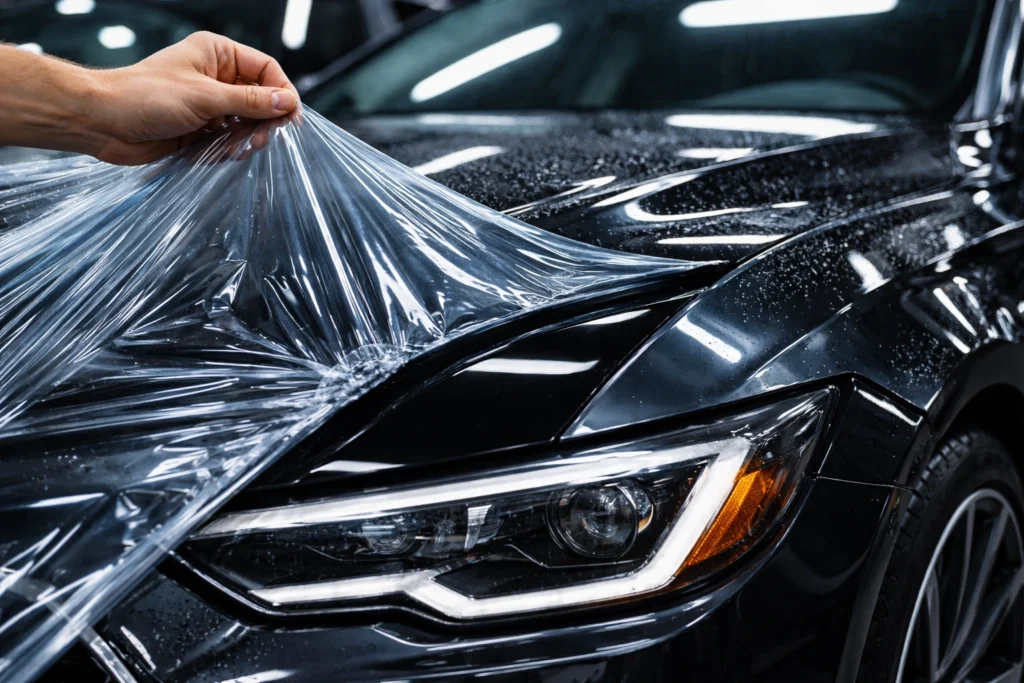
- Protection: A wrap acts as a protective layer that shields the factory paint from scratches, dirt, and sun damage. When you remove the wrap, the underlying paint often looks like new.
However, not all wraps are created equal. Low-quality wraps or poorly installed ones can hurt resale value. If the wrap is not removed properly or has been on for too long, it may cause damage to the paint underneath. For information on how long wraps last and when removal is ideal, see Vinyl wrap lifespan.
For sellers looking to maximize resale, a tasteful, neutral-colored wrap that’s kept in good condition and removed before selling can help your car maintain value.
When Repainting Helps Resale (And When It Doesn’t)
While a fresh coat of paint may seem like an investment that will increase the resale value of your car, it doesn’t always pay off. Here’s where repainting works and where it backfires:
When Repainting Can Help
- Damaged Paint: If your car’s paint is chipped, peeling, or showing signs of significant wear, a professional repaint can restore its value. It gives the car a fresh, appealing look that can help you sell faster.
- Matching Factory Color: Repainting your car in its original color helps maintain its resale value. Buyers appreciate the consistency, and it reduces the risk of questioning why the car was repainted in the first place.
- High-Quality Work: A high-quality paint job by a reputable body shop can increase your car’s appeal, especially if the car’s original paint was in poor condition.
When Repainting Can Hurt
- Changing the Color: Repainting your car in a non-original color can reduce its resale value. Buyers tend to prefer vehicles with their original colors as it suggests less modification and more authenticity.
- Low-Quality Paint Jobs: If you go for a cheap or DIY repaint job, it can actually lower your car’s resale value. Poor paint jobs often show signs of thinning, peeling, and mismatched finishes.
- Over-Painting: Repainting an entire vehicle for cosmetic reasons can also raise questions. Buyers might wonder if the car has been in an accident or has hidden issues that prompted the repaint.
In most cases, a repaint does not guarantee an increase in resale value unless the car’s original paint is significantly damaged.
For readers interested in comparing the cost of wrapping versus painting, here’s an article on Wrap vs Paint.
The Ideal Color for Resale
Neutral and classic colors are the safest bet for resale, whether the car is wrapped or painted. According to KBB, colors like white, black, silver, and gray are the most popular and generally retain value better in the resale market. They’re also more likely to appeal to the largest buyer pool.
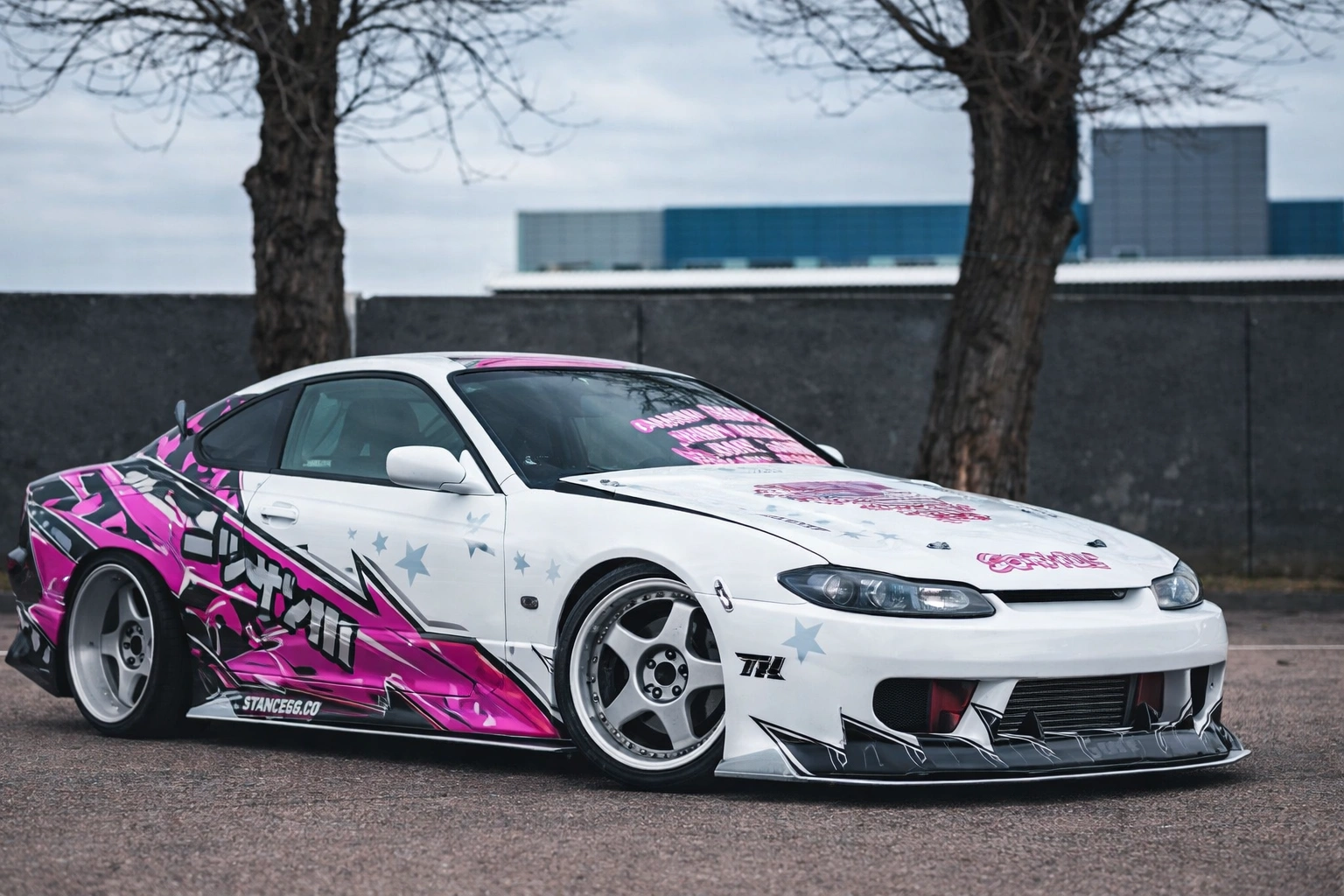
More unique colors or flashy designs, whether from a wrap or paint job, can reduce the pool of potential buyers. For example, bright neon or metallic wraps may be harder to sell, especially if you’re trading the car in to a dealer.
Five Real-Life Seller Scenarios
- Scenario 1: A Brand New Car with Perfect Factory Paint
- Best Option: Leave the paint as is, unless there’s a need for protection. A wrap could preserve the paint while adding a new look.
- Why: Buyers trust factory finishes, and this car will sell easily.
- Scenario 2: A Car with Minor Dings and Scratches
- Best Option: A wrap may be better than a full repaint to cover the imperfections while protecting the original paint.
- Why: A wrap hides minor cosmetic issues without the expense of repainting.
- Scenario 3: A Car with Worn Out Paint
- Best Option: Repainting might be the best option to improve the car’s appeal and resale value.
- Why: A clean, refreshed paint job can restore confidence in the car’s condition.
- Scenario 4: A Car with a Bold, Personalized Wrap
- Best Option: Remove the wrap before selling and present the clean, factory paint underneath.
- Why: Buyers are more likely to purchase a car with an original look than one with a highly personalized wrap.
- Scenario 5: A Ten-Year-Old Sedan with Faded Paint and Limited Budget
- Best Option: Do the math before spending. A wrap may refresh appearance for less than a quality repaint, but only if the surface is suitable.
- Why: KBB notes wraps do not hide dents, dings, or deep scratches, so consider the full picture before committing to any treatment.
How to Maximize Resale Value
Regardless of whether you choose to wrap or repaint your car, there are a few key steps you can take to maximize its resale value:
- Detail Your Car: Clean and detail the car inside and out before listing it for sale. Buyers are more likely to offer a higher price for a clean car.
- Fix Minor Issues: Address minor repairs like fixing broken lights, dents, or trim before you sell.
- Document Everything: Whether you’ve wrapped or repainted the car, keep records of the work done. This transparency builds trust with buyers.
For detailed advice on increasing your car’s resale value, visit our guide: Improve resale.
Vinyl Wrap FAQs (People Also Ask)
A well-maintained wrap typically does not hurt resale value, especially if it protects the factory paint and is removed before selling. Poorly installed or worn wraps, however, can decrease resale value.
It can, especially if the repaint is low-quality or changes the car’s original color. A factory color repaint done by a reputable shop can help, but it’s not guaranteed to recoup the cost.
Yes, it’s usually a good idea to remove a wrap before selling the car, as it lets the buyer inspect the original paint underneath.
Neutral colors such as white, black, silver, and gray are the safest choices for resale value. These colors tend to appeal to the largest buyer pool.
Yes, when done correctly, wrapping can protect your car’s paint and enhance its resale value, especially if the wrap is high-quality and removed before sale.
Both PPF (Paint Protection Film) and wraps protect your car’s paint, but PPF is a clear film that shields against scratches, while wraps allow for full customization. To compare costs and benefits, check out PPF vs wrap.
Final Thoughts
When it comes to wrap vs paint resale value, the choice depends on the condition of your car and your goals. Factory paint generally holds more value due to its authenticity and reliability, as buyers trust the original finish. A high-quality wrap, however, can offer similar benefits by protecting the paint and allowing for aesthetic changes without permanent alterations. If the wrap is maintained well and removed before selling, it can help preserve the car’s resale value by showcasing the original factory paint underneath.
On the other hand, repainting can boost resale value if the paint is significantly damaged or faded, but it doesn’t always offer a full return on investment. Poor quality or non-original paint can hurt resale value. Ultimately, the key to maximizing resale value is to maintain your car’s finish, ensure it looks clean and well-kept, and choose a solution that suits both your style and long-term selling plans.
At Vinyl Wrap Pro, I would frame it this way: If your goal is maximum resale, preserve trust first, style second. That principle should guide every decision you make.