
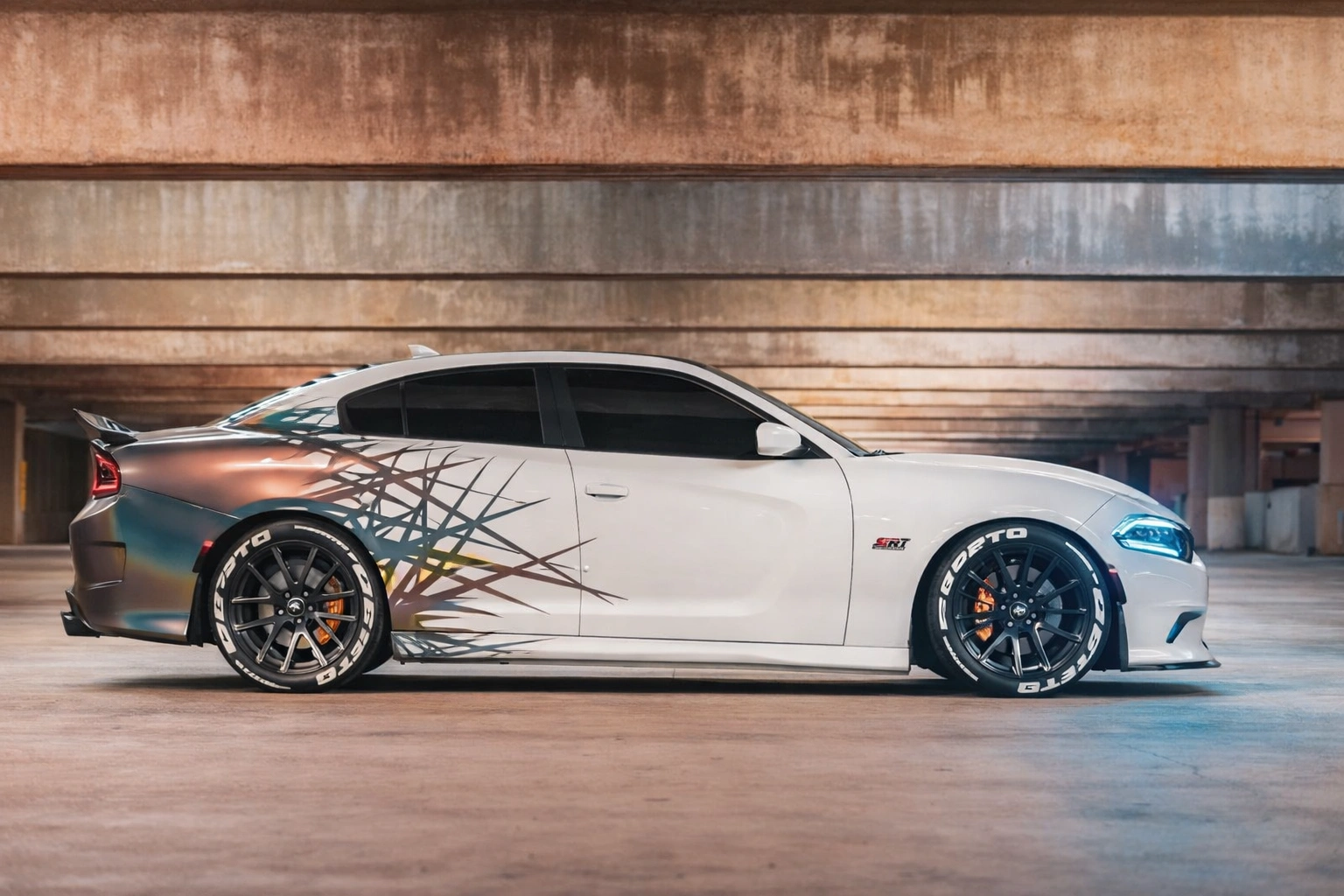
Introduction
Vinyl wrapping your vehicle is a great way to customize its look, protect the paint, and even improve its resale value. But one of the most common questions for DIY wrappers, especially beginners, is how much vinyl wrap material is needed to wrap a car, SUV, truck, or motorcycle. The answer depends on several factors, such as the size of your vehicle, the type of wrap you choose, and how much of the vehicle you plan to wrap.
In this comprehensive guide, we’ll walk you through the process of determining the exact amount of vinyl wrap material needed for your project, helping you avoid waste and ensure you have enough material to complete your job with professional-looking results.
Key Takeaways
- The amount of vinyl wrap material you need depends on the size of your vehicle and the areas you plan to wrap.
- DIY wrappers should consider the vehicle type, wrap square footage, and vinyl wrap roll size.
- Get accurate estimates for cars, SUVs, trucks, and motorcycles.
- Use our expert tips to avoid running out of material or overbuying.
Factors That Affect the Amount of Vinyl Wrap Material Needed
When it comes to calculating how much vinyl wrap material you need, it’s crucial to consider a few key factors:
1. Vehicle Size
The first step is knowing the dimensions of the vehicle you’re wrapping. Larger vehicles like trucks and SUVs will require more vinyl material than smaller cars and motorcycles. In general, a standard car typically requires 50-75 square feet of vinyl, while an SUV or truck might require 75-120 square feet.
2. Type of Vehicle
Each type of vehicle has different surface areas, and the larger the vehicle, the more material you’ll need. Motorcycles, for example, have less surface area to cover, so you’ll need only 20-40 square feet of vinyl wrap.
3. Vehicle Wrap Coverage
If you’re only wrapping parts of the vehicle (e.g., hood, roof, doors), you’ll need to measure only the specific areas you plan to cover. However, a full vehicle wrap will require material for all exposed surfaces, including the front, back, sides, and sometimes even the wheels.
Vinyl Wrap Roll Sizes: Understanding Your Material Options
When selecting vinyl wrap, one of the most important things to know is the vinyl roll size. Rolls come in a variety of lengths and widths. The most common widths are 24 inches, 36 inches, and 60 inches.
- 24-inch Rolls: Best for small projects or small vehicles like motorcycles and scooters.
- 36-inch Rolls: Ideal for wrapping parts of cars, such as hoods or mirrors.
- 60-inch Rolls: Perfect for larger vehicles like trucks, SUVs, or full vehicle wraps.
How to Estimate Vinyl Wrap Material Needed
To get a more precise idea of how much vinyl wrap material you need, follow this simple formula:
- Find the surface area of the vehicle. This will depend on whether you plan to wrap the entire vehicle or just parts.
- Add 10-20% extra. It’s always a good idea to add a little extra vinyl to account for errors, overlaps, and cuts.
For instance, if your car requires 60 square feet, buy 70-75 square feet of vinyl material to ensure you have enough.
Wrap Square Feet for Car, SUV, Truck, and Motorcycle
Here are general estimates based on different types of vehicles:
Car
- Surface Area Needed: 50-75 square feet
- Vinyl Roll Size: A 36-inch by 25-feet roll should suffice for a full car wrap.
- Extra Material: Plan for a bit of waste—extra material comes in handy when working around curves and intricate details.
SUV
- Surface Area Needed: 75-120 square feet
- Vinyl Roll Size: A 60-inch by 25-feet roll is ideal for an SUV wrap.
- Extra Material: If you’re wrapping larger SUVs, it’s better to get an extra roll to avoid running out.
Truck
- Surface Area Needed: 100-150 square feet
- Vinyl Roll Size: A 60-inch by 50-feet roll will typically cover most trucks.
- Extra Material: Adding extra material is highly recommended for full coverage or intricate details on the truck’s body.
Motorcycle
- Surface Area Needed: 20-40 square feet
- Vinyl Roll Size: A 36-inch by 15-feet roll is generally sufficient for wrapping a motorcycle.
- Extra Material: Always measure carefully to avoid over-purchasing.
Comparison: Full Wrap vs Partial Wrap
Full Vehicle Wrap
A full vehicle wrap means wrapping every part of the vehicle. It covers all sides, the roof, and possibly even the wheels. This is the most material-intensive option, requiring up to 150 square feet for large vehicles like trucks and 50-75 square feet for smaller cars.
Partial Vehicle Wrap
Partial wraps allow for more customization, where you wrap only certain areas like the hood, doors, mirrors, or roof. This can significantly reduce the material needed, and you may only need 20-30 square feet depending on the area.
Expert Tips for Vinyl Wrap Success
- Measure Twice, Cut Once: Always measure your vehicle carefully before purchasing vinyl wrap. This prevents costly mistakes.
- Choose Quality Vinyl: Quality vinyl, such as those from brands like 3M or Avery Dennison, will provide better durability and easier installation.
- Practice: If you’re new to vinyl wrapping, consider practicing on smaller pieces or less critical areas of your vehicle to get the feel for how the material behaves.
- Take Your Time: Vinyl wrap requires patience. Rushing the process can lead to bubbles, wrinkles, or misaligned seams.
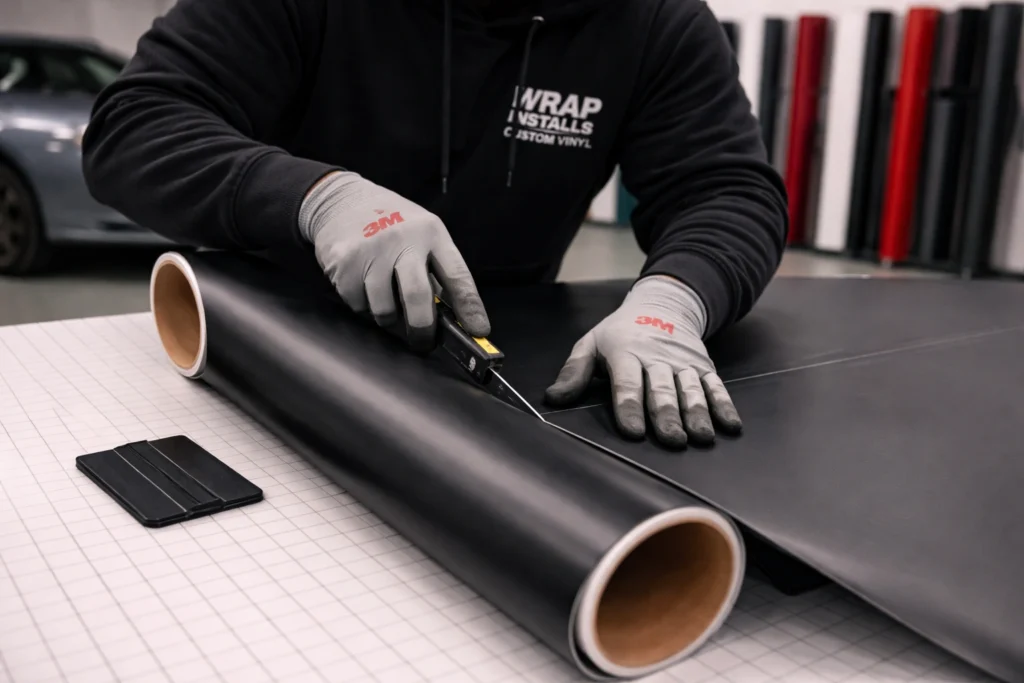
Vinyl Wrap FAQs (People Also Ask)
To calculate the square footage needed for your car wrap, measure the height and length of your vehicle, then calculate the surface area using those dimensions. Add around 10-20% for errors and overlaps.
For a full car wrap, a 36-inch by 25-feet vinyl roll is commonly used for smaller cars, while a 60-inch by 50-feet roll is ideal for larger vehicles like trucks or SUVs.
It depends on the size of the car and the vinyl roll. A single roll of 36-inch by 25-feet vinyl should be sufficient for a small car or partial wrap but may not be enough for a full wrap on larger vehicles.
Yes, it’s always recommended to buy extra vinyl wrap, approximately 10-20% more than the surface area needed, to account for errors, curves, and cuts.
To avoid bubbles, ensure the surface is clean and smooth before application. Use a squeegee to gently press out air as you apply the vinyl, and use heat for curves and edges to make the material more flexible.
Common mistakes include not measuring correctly, applying vinyl too quickly, not allowing the vinyl to stretch or conform to curves, and not using enough heat during installation.
For an SUV, you will typically need a 60-inch by 25-feet vinyl roll, which will cover most SUV models completely.
You will need around 100-150 square feet of vinyl for a truck wrap, depending on the vehicle size and wrap coverage.
A 24-inch roll is usually not enough for a full car wrap, but it can work for smaller sections like mirrors, bumpers, or hoods.
Final Thoughts
Choosing the right amount of vinyl wrap material for your vehicle can be a tricky task, but with careful measurements and an understanding of vinyl roll sizes, you can ensure that your DIY wrap project goes smoothly. Whether you’re wrapping a car, SUV, truck, or motorcycle, having enough material is crucial to achieving a professional result.
For the best quality wraps and expert advice, trust Vinyl Wrap Pro to provide everything you need for your vehicle wrapping project. Check out our car wrap installation process and discover the tools needed to wrap a car to get started today.