
Introduction
Vinyl wrapping has become a popular choice for car enthusiasts, DIYers, and small business owners who want to personalize their vehicles, giving them a fresh new look without the hefty cost of a professional paint job. However, one of the most common challenges during DIY vinyl wrapping projects is waste. How much vinyl wrap gets wasted during a DIY installation? How can you reduce this waste and improve your installation technique?
In this comprehensive guide, we’ll break down the vinyl wrap waste percentage during DIY installations, common mistakes made by beginners, and how you can minimize material loss. We’ll also discuss the importance of proper planning and technique when it comes to saving both your money and vinyl material.
Key Takeaways:
- DIY vinyl wrapping can result in significant material waste.
- The waste percentage can range from 15% to 30% for beginners.
- Common mistakes contribute to excess waste, including improper measurements, cutting errors, and lack of proper installation tools.
- Proper planning and technique can drastically reduce vinyl wrap waste.
- Knowing when to choose professional installation vs. DIY can help manage costs and minimize waste.
Understanding Vinyl Wrap Waste
When embarking on a DIY vinyl wrap project, it’s important to be realistic about the amount of waste you might incur. Vinyl wrap waste can happen for several reasons, from miscalculating measurements to improper handling of the material. Let’s take a closer look at some of the factors contributing to vinyl wrap waste:
Common Causes of Vinyl Wrap Waste:
- Cutting Mistakes: One of the most common sources of waste comes from cutting the vinyl incorrectly. Incorrect measurements or uneven cuts can result in unusable pieces, leading to wasted material.
- Overestimating the Amount of Vinyl Needed: Beginners often overestimate the amount of vinyl wrap they need, leading to larger cuts and leftover material.
- Installation Errors: Misalignments, stretching, or tearing the vinyl wrap during installation can cause waste. This is particularly true when dealing with curves or challenging sections of a vehicle.
- Scraps from Trimming: After the initial installation, trimming the excess vinyl around edges, seams, and vents often results in small scraps that can’t be reused.
Waste Percentage During DIY Installation
On average, beginners can expect to waste around 15-30% of the vinyl wrap material during the installation process. Experienced professionals typically waste less than 10% because they have mastered the cutting, installation, and trimming techniques. As a beginner, it’s normal to waste a larger portion, especially when learning how to handle the material and apply it correctly.
How to Minimize Vinyl Wrap Waste
The key to reducing waste is understanding the factors that contribute to it and taking proactive steps to mitigate them. Here are some actionable tips to reduce vinyl wrap waste during your DIY installation:
- Measure Twice, Cut Once: Make sure to take accurate measurements of your vehicle’s surface area before cutting the vinyl. Don’t rush the process—spending time to plan your cuts can reduce the chances of mistakes.
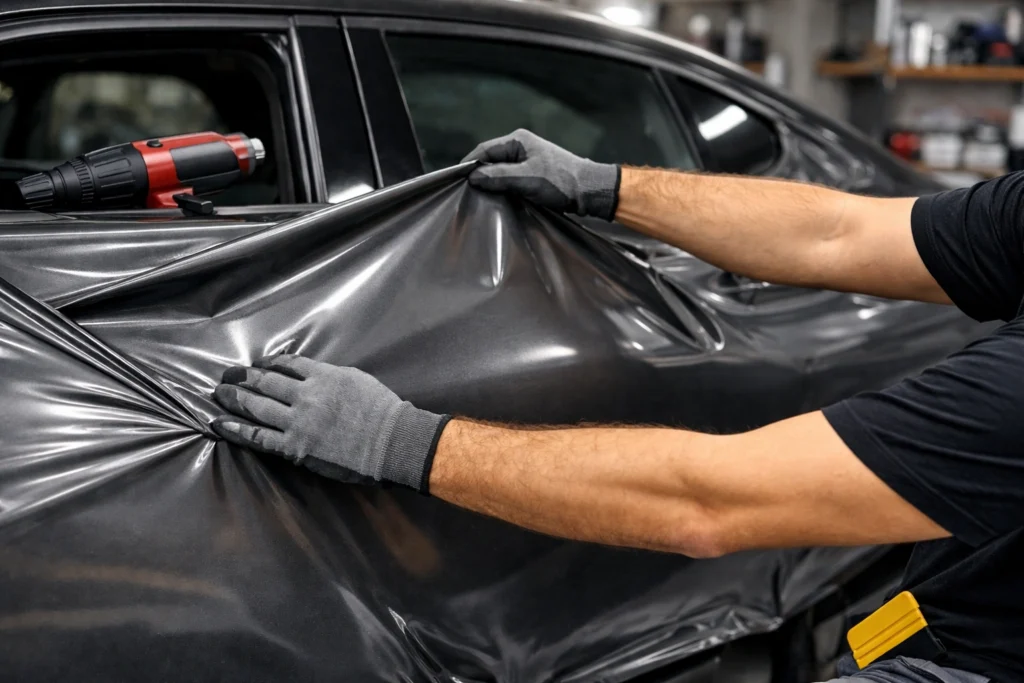
- Use the Right Tools: Invest in good quality tools designed for vinyl wrapping. Proper tools, such as a heat gun, squeegee, and sharp utility knife, will allow you to work more precisely and minimize waste.
- Work in Small Sections: Don’t try to wrap your entire vehicle at once. Work in smaller, manageable sections to make sure you can handle the material better, avoid mistakes, and reduce waste.
- Practice First: Before starting your project, practice on smaller pieces of vinyl to get a feel for the material. The more familiar you are with how the vinyl stretches and adheres, the less waste you will produce.
Comparing Professional vs. DIY Wrap Waste
When deciding whether to tackle a vinyl wrap installation yourself or hire a professional, one of the key factors to consider is the amount of material waste. Professionals typically have the expertise, tools, and techniques to minimize waste. However, if you’re just starting out, you may not have the same precision and efficiency.
Professional vs DIY Wrap Cost Breakdown
- Professional Installation: Professional installers generally waste between 5-10% of the material due to their advanced skills. They are able to use a more methodical and efficient approach, which saves both time and materials. The downside, however, is the cost, which can range from $2,000 to $5,000 for a full vehicle wrap.
- DIY Installation: As a DIYer, you’re more likely to waste 15-30% of the vinyl, especially during the learning phase. While the cost of the material itself may only run between $400 to $2,000, the extra vinyl you waste adds to the overall cost. Also, consider the time investment and potential frustration of getting the job right.
For a comprehensive breakdown on the cost of professional versus DIY vinyl wrap, refer to our DIY Car Wrapping Guide and Professional vs DIY Wrap Cost Breakdown.
Common Vinyl Wrap Mistakes Beginners Make
In addition to cutting errors and overestimation, beginners often make the following mistakes that contribute to vinyl wrap waste:
- Improper Surface Preparation: Before applying vinyl, the surface must be thoroughly cleaned and prepped. Failing to do so can lead to poor adhesion, bubbles, and wrinkles, which will require the vinyl to be removed and replaced, wasting material.
- Not Using Enough Heat: Applying heat during the installation process allows the vinyl to stretch and conform to curves and corners. Not using enough heat can result in the vinyl not adhering properly, causing you to waste material and time.
- Ignoring the Importance of Stretching: When wrapping areas with tight curves or complex shapes, not stretching the vinyl appropriately can cause wrinkles or tears, leading to material waste.
- Not Following the Grain: Many vinyl wraps have a grain or pattern that needs to be followed during installation. Failing to align the grain correctly can result in mismatched seams and a misaligned wrap.
Vinyl Wrap FAQs (People Also Ask)
Typically, you’ll need between 50 to 75 feet of vinyl wrap for a standard full vehicle wrap. However, the exact amount depends on the size and shape of your vehicle, as well as the type of wrap you’re using.
In most cases, once vinyl wrap is removed, it cannot be reused effectively. The adhesive properties weaken after being applied and removed, making it unsuitable for reuse.
A high-quality vinyl wrap can last 5 to 7 years when properly maintained. Factors such as weather conditions, exposure to sunlight, and car washes can affect the longevity of the wrap.
Use a heat gun to warm the vinyl and ensure it adheres smoothly to the surface. Work in smaller sections, and always squeegee out air bubbles as you go to avoid wrinkles.
The cost of vinyl wrap for a car can range between $1,000 to $5,000, depending on the size of the vehicle and whether you’re doing it yourself or hiring a professional.
Vinyl wrap costs depend on the quality of the material, the complexity of the installation, and whether professional help is required. The material itself can be pricey, and labor costs for professional installation add up, making vinyl wrap a more expensive option.
Yes, DIY vinyl wrapping is possible with proper preparation, tools, and patience. While it may be challenging for beginners, it’s a rewarding project that can save you money if done correctly.
Vinyl wrap offers a cheaper and quicker alternative to paint. It’s removable, offers more design options, and provides protection to your vehicle’s original paint. However, it may not last as long as a professional paint job.
Final Thoughts
Vinyl wrapping can be a fantastic way to give your vehicle a personalized look without the expensive cost of traditional paint jobs. However, when it comes to DIY installations, waste is inevitable, especially for beginners. By taking the time to plan ahead, practicing your technique, and investing in the right tools, you can drastically reduce the amount of waste you produce.
If you’re unsure about tackling a full wrap on your own, consider weighing the costs and benefits of professional installation versus DIY. Remember that Vinyl Wrap Pro offers professional-grade wraps with minimal waste, perfect for anyone who wants a sleek look without the hassle.