
Introduction
Yes, dark colors generally fade faster than light colors on both cars and vinyl wraps. This happens because darker shades absorb more ultraviolet (UV) radiation, which breaks down pigments and surface coatings over time.
However, modern automotive paints and vinyl wraps now include UV-resistant technology that significantly slows this process. In this guide, we explain exactly why fading happens, which colors fade the fastest, and how you can protect your vehicle in real-world conditions.
Key Takeaways
- Dark colors absorb more UV light, causing faster fading than light colors
- Black car paint and dark wrap colors fade quicker in strong sunlight
- Modern vinyl wraps include UV inhibitors that slow color breakdown
- Finish type impacts fading risk and maintenance needs
- Light colors reflect heat and offer better fade resistance
- Climate, parking habits, and care routines matter as much as color choice
Why Do Dark Colors Fade Faster?
Dark colors fade faster because they absorb more sunlight and heat. This extra energy speeds up oxidation and breaks down pigment molecules, while light colors reflect sunlight and stay cooler.
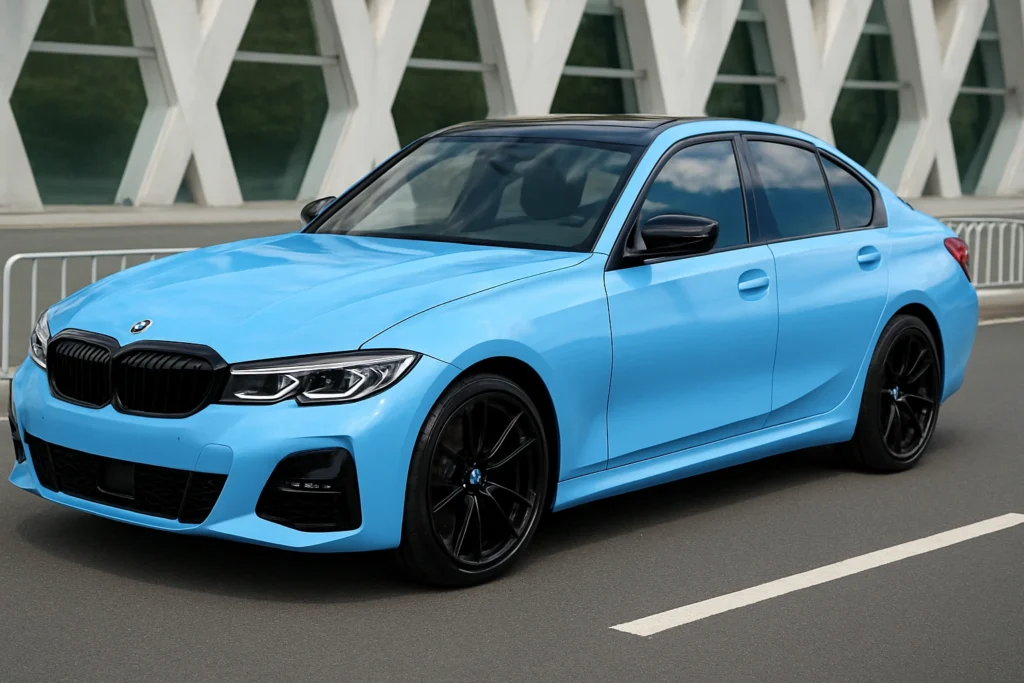
Why Dark Colors Fade Faster Than Light Colors (Scientific Reason)
Many car owners ask whether dark colors fade faster than light colors on car paint and vinyl wraps. The answer is yes, and the reason is light absorption and UV exposure.
Dark pigments absorb more ultraviolet (UV) and infrared radiation, which increases heat buildup. This accelerates the breakdown of paint resins and vinyl binders over time. In contrast, lighter colors reflect more sunlight, reducing both heat and UV damage.
How UV Radiation Causes Color Fading
- UV rays weaken pigment molecules
- Heat accelerates oxidation
- Surface layers lose gloss and depth
- Color shifts become visible over time
This process affects both factory paint and vinyl wraps, especially in high-sun regions of the United States.
Why Black Cars Fade Faster Than Other Colors
Black cars absorb the most sunlight and heat. This extra heat speeds up oxidation and causes the paint or vinyl to lose its shine faster compared to lighter colors.
Do Dark Colors Fade Faster Than Light for Cars Specifically?
Yes. Do dark colors fade faster than light for car finishes? Multiple automotive studies and real-world data confirm they do.
Dark vehicles parked outdoors show:
- Faster gloss loss
- More visible oxidation
- Earlier color dulling
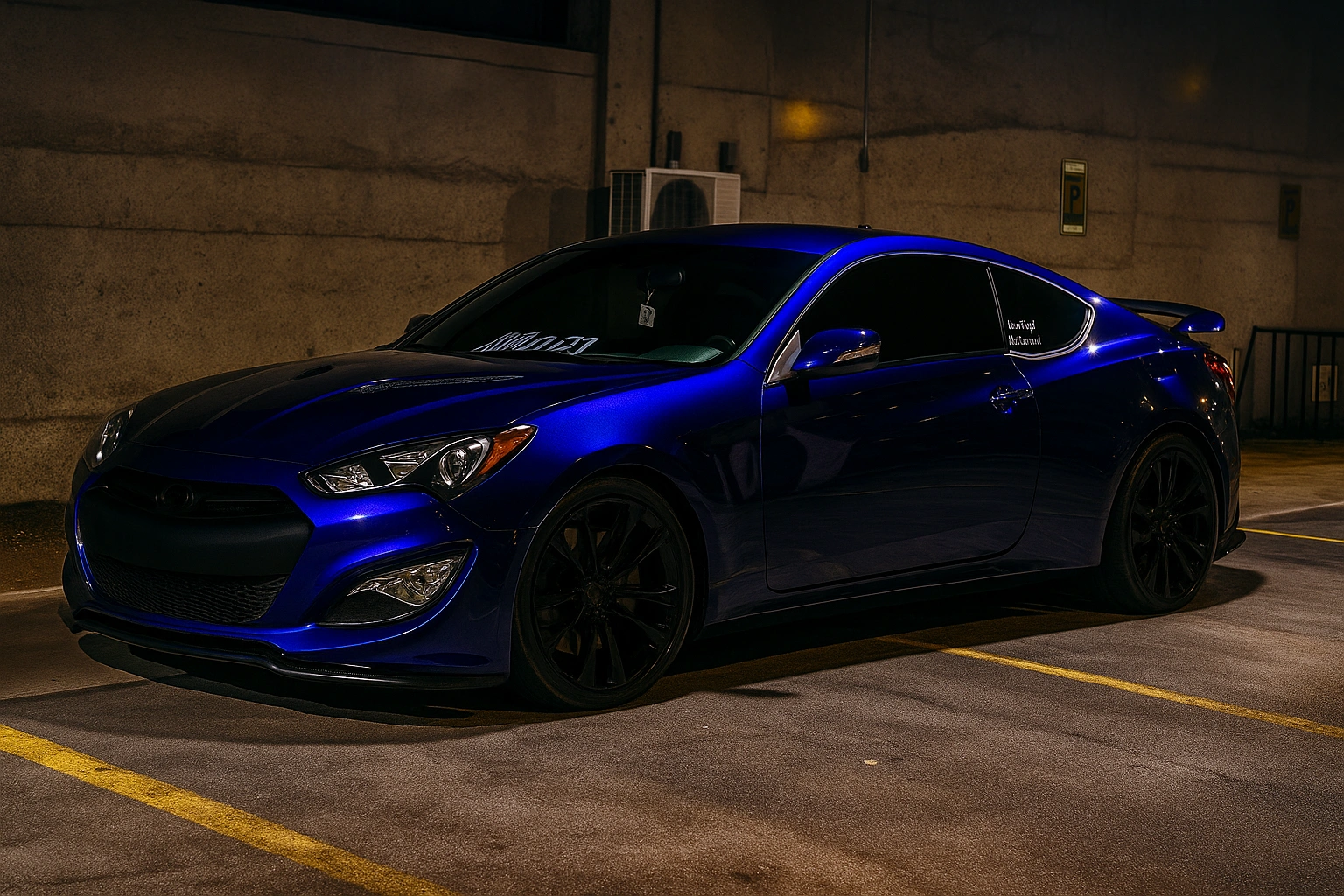
Black, dark blue, deep red, and dark green vehicles often need correction sooner than white, silver, or light gray cars.
Do Dark Colors Fade Faster Than Light for Car Wraps?
The same principle applies to vinyl. Do dark colors fade faster than light for car wraps? Yes, but the gap is smaller thanks to modern wrap technology.
High-quality vinyl wraps now include:
- UV-resistant top coats
- Heat-stable pigments
- Protective laminate layers
Brands used by professionals like Vinyl Wrap Pro perform significantly better than older films. With proper care, dark wrap colors can last 5 to 7 years in most U.S. climates.
What Car Color Fades the Fastest in Sunlight?
If you are wondering what car color fades the fastest in sunlight, here is a realistic ranking based on U.S. exposure conditions:
Fastest Fading Car Colors
- Black
- Dark blue
- Red
- Dark green
Slowest Fading Car Colors
- White
- Silver
- Light gray
- Pearl finishes
This applies to both paint and vinyl, though wraps generally fade more evenly than paint.
How to Prevent Car Color Fading
- Park in shade or garage
- Use ceramic coating
- Wash with mild shampoo
- Avoid harsh automatic car washes
- Apply UV protection wax
Does Black Car Paint Fade Faster Than Other Colors?
Yes. Does black car paint fade faster? Black absorbs the most heat and UV radiation of any color.
Common issues with black vehicles include:
- Rapid clear coat failure
- Visible swirl marks
- Faster oxidation
Black vinyl wraps face similar challenges, especially matte black finishes, which lack reflective protection.
Do All Colors Fade at the Same Rate?
No. Do all colors fade at the same rate? Color chemistry plays a major role.
Pigments respond differently to UV exposure. Organic pigments, often used in reds and blues, break down faster than inorganic pigments found in whites and silvers.
This is why light colors maintain appearance longer, even with minimal maintenance.
Does Green Fade Fast Compared to Other Colors?
Many ask, does green fade fast on cars? The answer depends on shade.
- Light green performs similarly to silver
- Dark green fades closer to dark blue
- Metallic green lasts longer than flat green
Choosing metallic or pearl finishes helps slow fading regardless of color.
Dark Wrap Colors vs Light Wrap Colors: Longevity Comparison
The table below shows how different colors perform under strong sunlight exposure in real-world conditions.
| Color Type | Heat Absorption | Fade Risk | Maintenance Level |
| Black | Very High | High | High |
| Dark Blue | High | High | Moderate |
| Red | High | Moderate | Moderate |
| White | Low | Low | Low |
| Silver | Very Low | Very Low | Low |
For finish differences, see gloss vs matte vs satin vs chrome which finish should you choose?.
How U.S. Climate Impacts Color Fading
Climate is a major factor in do car colors fade concerns.
- Southern states experience higher UV exposure
- Desert regions accelerate pigment breakdown
- Coastal areas add salt and humidity damage
- Northern climates slow fading but do not stop it
Regardless of location, UV-protected films are essential.
How to Prevent Dark Car Colors From Fading
To protect dark colors:
- Park in shaded or covered areas
- Wash regularly with pH-neutral cleaners
- Avoid automatic brush washes
- Apply ceramic or UV-protective coatings
These steps are critical for both paint and vinyl longevity.
Vinyl Wrap FAQs
Yes, ceramic coating reduces UV damage and slows oxidation, helping both paint and wraps last longer.
Light colors like white, silver, and gray perform best in hot climates because they reflect heat and sunlight.
Dark colors absorb more UV and infrared radiation, which accelerates pigment breakdown. Light colors reflect sunlight, reducing heat and UV damage over time.
Yes. Matte black absorbs more heat and lacks reflective protection. Glossy white reflects sunlight and resists fading longer.
Black, dark blue, red, and dark green fade fastest in direct sunlight due to higher UV absorption.
High-quality vinyl wraps fade more evenly than paint and often protect the original finish beneath.
Most dark wraps last 5-7 years with proper care. Harsh sun exposure may reduce lifespan slightly. Check how long does vinyl wrap last?
Yes. Wrapping a dark vehicle in a light color shields the original paint from UV exposure.
Yes. Ceramic coatings reduce UV damage and slow oxidation for both paint and vinyl wraps.
Yes. Dark colors absorb more UV radiation, which speeds up pigment breakdown. Light colors reflect sunlight, reducing heat and fading over time.
Black fades the fastest due to maximum heat absorption, followed by dark blue and red.
No. Pigment type, color depth, and UV exposure determine how quickly a color fades.
Final Thoughts
So, do dark colors fade faster than light colors? Yes, dark colors generally fade faster because they absorb more UV rays and heat compared to lighter colors. However, modern materials and UV-protected coatings have significantly reduced this difference.
With proper care, such as regular cleaning, ceramic coating, and protected parking, even dark-colored vehicles can maintain their shine for years. Choosing the right material and maintenance routine matters more than color alone.
Whether you are protecting paint, branding a fleet, or refreshing a personal vehicle, professional vinyl wrap solutions can help ensure long-lasting results in every U.S. climate.
Explore best vinyl wrap colors for 2026 or learn how wraps boost business visibility in vehicle wrap advertising ROI.