
Introduction:
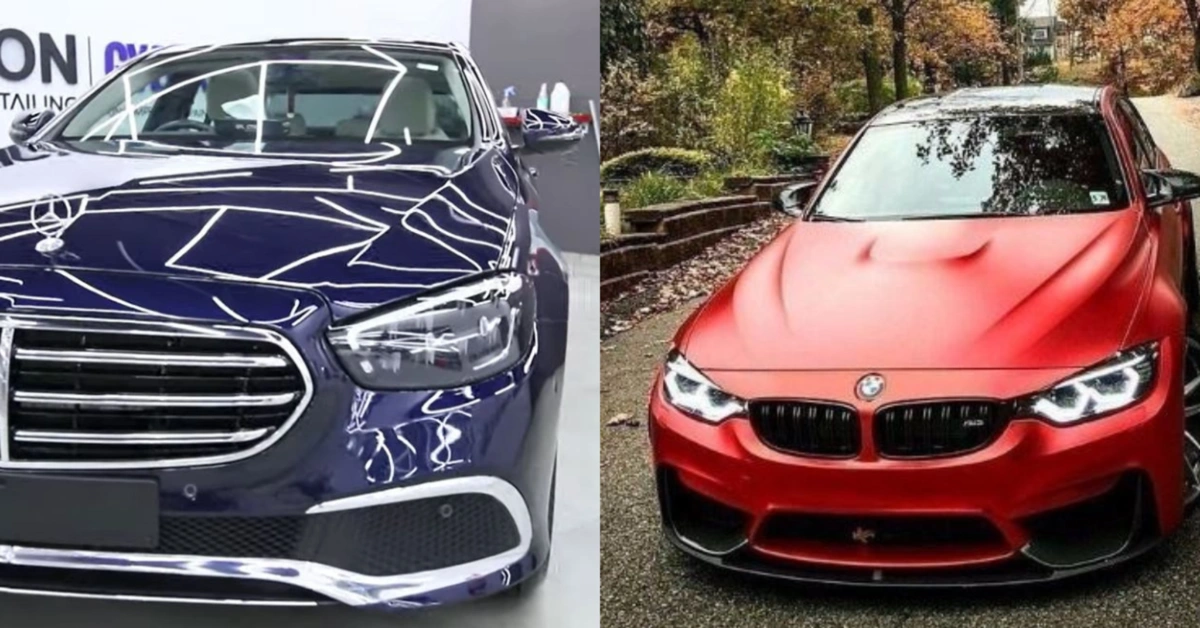
When it comes to protecting your car’s exterior, there are two popular options: Paint Protection Film (PPF) and vinyl wraps. Both serve different purposes and come with distinct advantages and costs, but how do you choose between the two? Whether you’re a new car owner or a seasoned enthusiast, understanding the PPF vs vinyl wrap cost can make a significant difference in your decision-making process.
This comprehensive guide breaks down the costs, pros, and cons of PPF and vinyl wraps so you can make an informed choice based on your needs, budget, and expectations.
Key Takeaways
- PPF offers superior protection against scratches, chips, and environmental damage but comes at a higher price.
- Vinyl wraps allow for customization and a fresh look, while offering moderate protection against light scratches and fading.
- The cost difference between PPF and vinyl wraps depends on factors like car size, installation complexity, and brand.
- Both options require maintenance to ensure longevity, with PPF generally requiring more care than vinyl wraps.
What Is Paint Protection Film (PPF)?
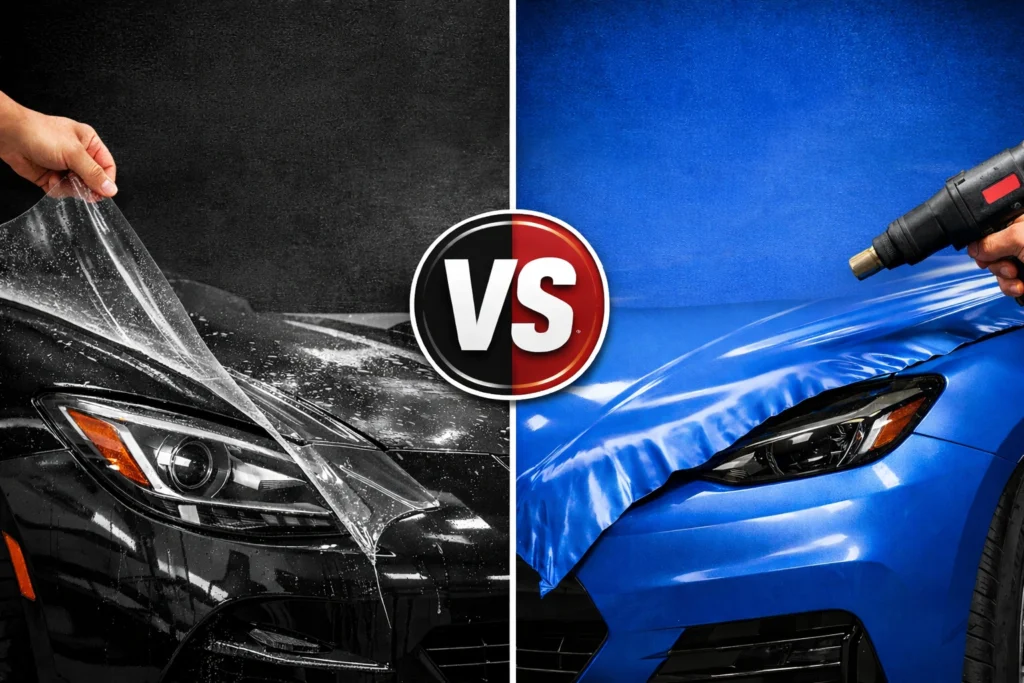
Paint Protection Film, or PPF, is a transparent, urethane-based material designed to protect your car’s paint from various types of damage. It acts as a shield against rock chips, scratches, and bird droppings. Most PPFs are self-healing, meaning minor scratches will disappear on their own after some time, typically with heat exposure.
PPF Benefits
- Superior Protection: PPF excels in protecting the car’s paint from rock chips, scratches, and stains.
- Self-Healing Technology: Scratches and minor abrasions heal on their own, maintaining the film’s smooth finish.
- Durability: PPF lasts anywhere from 5-10 years depending on maintenance.
- Invisible Protection: Once applied, PPF is nearly invisible, offering seamless protection without altering the look of your vehicle.
PPF Costs: What to Expect
The cost of PPF can vary greatly depending on the vehicle’s size, type, and the amount of coverage. On average, full coverage for a mid-sized sedan can cost anywhere between $2,000 to $5,000. Partial coverage will be cheaper but still may cost anywhere from $500 to $2,000.
What Is Vinyl Wrap?
Vinyl wrap is a large sheet of adhesive film applied to your car’s exterior for protection and decoration. Unlike PPF, vinyl wraps are available in a wide variety of colors, finishes, and textures, making them an excellent choice for those who want to completely change the look of their car.
Vinyl Wrap Benefits
- Customizability: Vinyl wraps come in a range of colors, finishes, and textures (matte, gloss, satin, chrome, etc.).
- Cost-Effective: Vinyl wraps are more affordable than PPF, making them ideal for those on a budget.
- Removability: Unlike PPF, vinyl wraps are designed to be removed without damaging the underlying paint, which is a significant advantage for leased cars or those looking for temporary designs.
- Moderate Protection: While vinyl wraps offer some protection from scratches and UV fading, they do not provide the same level of defense as PPF.
Vinyl Wrap Costs: What to Expect
The cost of a vinyl wrap is generally lower than PPF. Full coverage for a mid-sized vehicle typically costs between $1,500 to $3,500. For a partial wrap or smaller sections, prices can range from $500 to $1,500.
PPF vs Vinyl Wrap Cost: A Detailed Comparison
1. Material and Durability
- PPF: The durability of PPF is unmatched when compared to vinyl wraps. PPF is engineered to absorb impacts and prevent scratches, which makes it a fantastic long-term solution for car protection. It is typically 5-10 times more durable than vinyl wraps.
- Vinyl Wrap: While it offers a protective layer, it doesn’t offer the same level of impact resistance as PPF. However, it provides decent protection against fading, light scratches, and minor chips.
2. Protection Level
- PPF: Provides the highest level of protection against rock chips, bird droppings, tree sap, and even minor abrasions. It is particularly effective for high-impact areas like the hood, front bumper, and side mirrors.
- Vinyl Wrap: Vinyl wraps provide a layer of protection against minor scratches and UV damage but do not shield the paint from high-impact damage.
3. Cost Considerations
- PPF: As mentioned, PPF comes with a higher upfront cost due to the advanced technology and superior protection it provides. Labor costs for PPF installation can also be significant due to the precise application process.
- Vinyl Wrap: Vinyl wraps are a more affordable option for those seeking a customizable look for their vehicle. The installation process is generally quicker, which helps reduce labor costs.
PPF vs Vinyl Wrap Cost: Maintenance and Longevity
PPF Maintenance
PPF is a low-maintenance solution, but to ensure it performs at its best, you’ll need to:
- Wash the car regularly with a pH-balanced soap to avoid damaging the film.
- Use a ceramic coating for added protection and easier cleaning.
- Avoid harsh chemicals or abrasive materials during cleaning.
While PPF is generally low-maintenance, it’s important to check for damage and reapply when necessary. In terms of longevity, PPF can last between 5 to 10 years with proper care.
Vinyl Wrap Maintenance
Vinyl wraps require consistent cleaning but are less demanding than PPF. However, they are more susceptible to damage from sharp objects and should be protected from excessive exposure to direct sunlight. To improve the longevity of your vinyl wrap, consider adding a ceramic coating for added protection and ease of cleaning. Ceramic coating wraps can help make your wrap last longer and reduce the need for frequent maintenance.
Vinyl Wrap FAQs (People Also Ask)
PPF offers superior protection against rock chips, scratches, and other damage. If protection is your priority, PPF is the better choice.
Yes, vinyl wraps are designed to be removed without damaging your car’s paint, making them a great option for temporary designs.
PPF can last anywhere from 5 to 10 years, depending on how well you maintain it.
Yes, vinyl wraps are more affordable than PPF, with the cost of a full wrap generally ranging from $1,500 to $3,500.
Yes, vinyl wraps are easily removable and won’t damage the car’s original paint, unlike PPF.
PPF offers superior protection against chips and scratches, while vinyl wraps provide a customizable look with moderate protection.
Yes, PPF provides UV protection, preventing your car’s paint from fading over time.
A vinyl wrap typically lasts between 5 to 7 years with proper care.
Final Thoughts
Both PPF and vinyl wraps offer distinct benefits depending on your needs. If protection is your top priority, PPF is the clear winner. However, if you’re looking for an affordable, customizable option that provides a new look, vinyl wraps may be the perfect fit.
For car owners looking for comprehensive protection and design flexibility, Vinyl Wrap Pro offers expert installation and high-quality wraps that meet your needs. Explore our services for both PPF and vinyl wraps today and choose the best option for your car!
Explore:
Vinyl wrap lifespan
Wrap vs paint guide
Car wrap cost in the USA
Wrap resale value