
Introduction
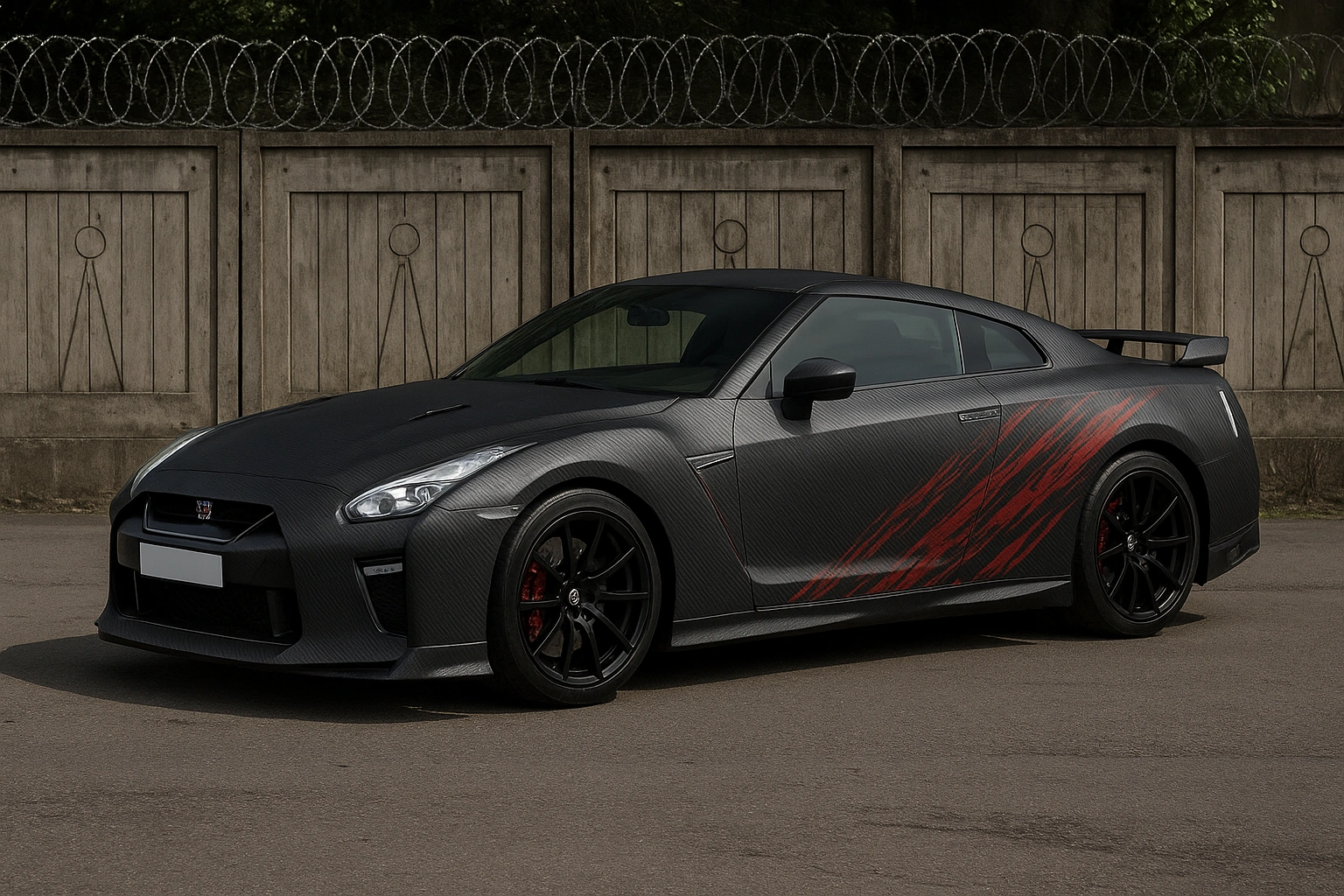
Textured wraps like brushed metal and forged carbon give vehicles a bold, premium appearance that stands apart from smooth finishes. These wraps are popular across the USA for personal cars, luxury builds, and commercial fleets because they mimic real materials while remaining lightweight and removable.
However, textured vinyl wraps also require more intentional care than standard gloss or satin films. Dirt, UV exposure, and improper cleaning can wear down the raised patterns faster if neglected. In this guide, Vinyl Wrap Pro shares expert, USA-focused care tips for textured wraps to help vehicle owners and fleet managers protect their investment and extend wrap lifespan without compromising texture depth.
Key Takeaways
- Use pH-neutral cleaners and microfiber towels for textured wrap maintenance
- Avoid automatic car washes that flatten or fray surface texture
- Apply vinyl-safe sealants or ceramic coatings designed for textured vinyl wraps
- Inspect grooves and edges regularly to prevent embedded debris
- Proper care improves durability and increases vehicle wrap advertising ROI
What Are Textured Wraps? (Brushed, Forged Carbon Explained)
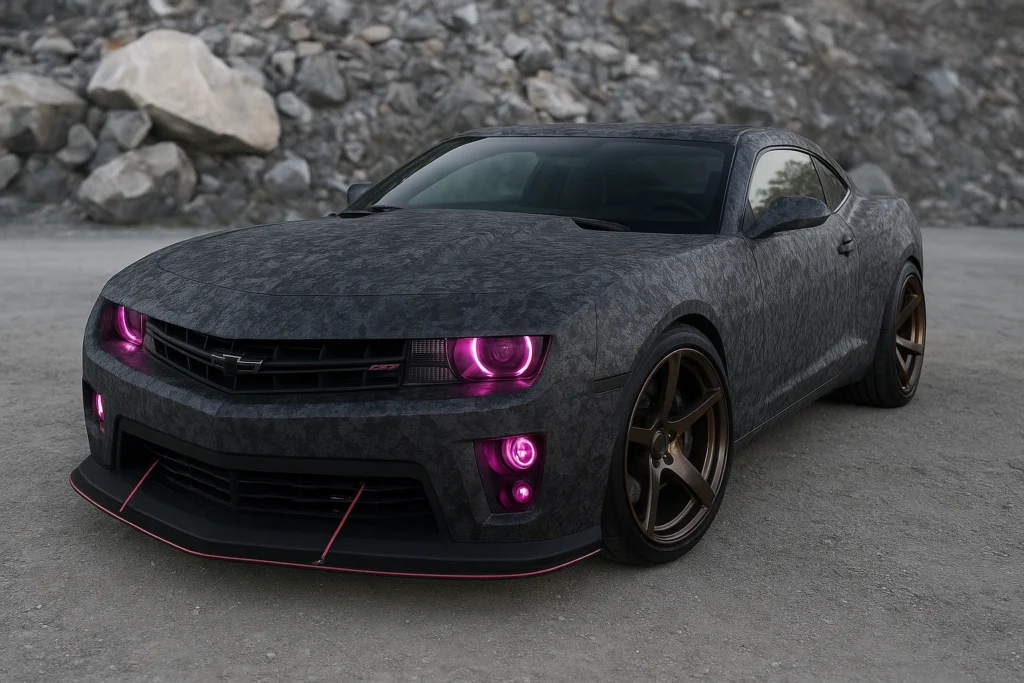
Textured wraps are vinyl films with a raised or patterned surface designed to replicate materials like brushed aluminum, forged carbon fiber, or industrial metals. Unlike smooth vinyl, these wraps reflect light unevenly, creating depth and motion.
Common textured vehicle wraps include:
- Brushed steel and brushed aluminum
- Forged carbon and carbon fiber textures
- Sandstone, leather, and fabric-style vinyls
Because of their surface structure, textured car wraps trap more dust and contaminants than smooth finishes. This makes correct care essential for long-lasting durability.
Textured Vinyl Wraps vs Smooth Vinyl Finishes
Compared to gloss or satin wraps, textured vinyl wraps demand a gentler, more consistent cleaning routine.
Key differences include:
- Dirt settles deeper into grooves
- UV rays hit uneven surfaces at multiple angles
- Abrasive cleaning causes faster wear
For a full finish breakdown, see gloss vs matte vs satin vs chrome which finish should you choose?
How to Clean Textured Wraps Without Damaging the Pattern
Best Cleaning Method for Textured Car Wraps
Handwashing is the safest and most effective method for maintaining textured wraps.
Recommended steps:
- Rinse loose dirt using low-pressure water
- Apply a pH-neutral vinyl-safe cleaner
- Gently wipe with straight motions using microfiber towels
- Rinse thoroughly
- Air dry or pat dry without rubbing
Avoid circular motions, stiff brushes, or abrasive sponges. These can flatten brushed textures and dull forged carbon detail.
Can You Vinyl Wrap Textured Surfaces?
Yes, you can vinyl wrap textured surfaces, but surface preparation is critical. Textured surfaces like raw plastic, concrete, or painted walls require smoothing or priming before vinyl application.
This is why textured vehicle wraps perform best on automotive paint or smooth panels. For walls or architectural use, textured wall wraps require specialized adhesives and are not interchangeable with vehicle vinyl.
Protecting Textured Wraps From UV and US Weather Conditions
In hot US states like Texas, Arizona, and California, UV damage is the primary cause of premature wrap aging. Snow, salt, and rain in northern regions also increase contamination buildup.
Protection tips include:
- Apply vinyl-safe sealants every 3 to 4 months
- Use ceramic coatings made for textured vinyl wraps
- Park in shade or covered areas when possible
These habits significantly slow fading and oxidation, especially for dark textures. Learn more in do dark colors fade faster than light?
Can Ceramic Coating Be Used on Textured Vinyl Wraps?
Yes, ceramic coating can be applied to textured vinyl wraps if the product is specifically labeled vinyl-safe and compatible with matte or textured finishes.
Benefits include:
- Increased UV resistance
- Easier cleaning
- Reduced dirt adhesion inside grooves
Avoid traditional waxes. They clog textured patterns and dull the finish over time.
How Often Should Textured Wraps Be Cleaned?
Cleaning frequency depends on use and exposure.
- Daily drivers: every 1 to 2 weeks
- Fleet vehicles: weekly
- Show cars: light cleaning after each drive
Consistent care prevents permanent staining and preserves the sharp appearance of textured vinyl wraps.
Textured Wrap Durability: What Shortens Lifespan?
The most common causes of early wear include:
- Automatic car washes
- Road salt buildup
- Improper detailing tools
- Excessive sun exposure
With correct care, brushed and forged carbon wraps typically last 3 to 5 years in US conditions.
Textured Vehicle Wraps for Fleets and Branding
Textured vehicle wraps are increasingly used for high-end branding, luxury fleets, and premium service vehicles. While they require more maintenance, they also increase perceived value and brand recall.
For commercial applications, consistent wrap care improves appearance longevity and boosts vehicle wrap advertising ROI.
Mexican Wrap vs Tex Wrap (Clarifying the Search Confusion)
Search Console data shows interest in mexican wrap vs tex wrap and mexicana wrap vs tex wrap, which often causes confusion.
In most cases:
- These terms do not refer to vinyl wraps
- They are commonly confused food-related search terms
They are unrelated to textured vinyl wraps, car wraps, or vehicle graphics. Including this clarification helps satisfy mixed search intent without misleading readers.
Vinyl Wrap FAQs
Yes, textured wraps need more frequent and gentle cleaning because debris settles into grooves. With proper care, maintenance remains manageable.
No. Polishing or machine buffing damages raised textures. Only vinyl-safe detail sprays should be used.
They can appear to fade sooner due to uneven light reflection, but proper UV protection minimizes this effect.
No. Textured nail wraps are cosmetic products and unrelated to automotive vinyl wraps.
Small sections can often be replaced, but color and texture matching may vary over time.
No. Textured wall wraps use different adhesives and materials designed for indoor surfaces.
With proper care, textured vinyl wraps last between three and five years in US climates. UV exposure, washing habits, and storage conditions play major roles.
Yes, if maintained correctly. They offer a premium look that stands out more than smooth finishes.
Yes, but only with vinyl-safe ceramic coatings designed for textured surfaces. See Does Ceramic Coating Make Vinyl Wraps Last Longer?
Final Thoughts
Textured wraps like brushed metal and forged carbon offer unmatched depth and style, but they demand smarter care habits. By using the right cleaning tools, protecting against UV exposure, and avoiding harsh washing methods, you can keep textured vinyl wraps looking sharp for years.
For expert guidance, trusted materials, and USA-focused wrap resources, Vinyl Wrap Pro continues to help vehicle owners and fleets maximize wrap performance and longevity.